AI Models Trained on Genomic Diversity: Redefining Genetic Code Design and Interpretation
AI trained on genomic data from over 100,000 species is transforming genetic code interpretation and design, enabling breakthroughs in synthetic biology and drug discovery.
Introduction
The interplay between artificial intelligence (AI) and the life sciences has grown substantially in recent years, particularly as researchers explore ways to decode the vast complexity found within genetic material. Training AI systems on genomic data from over 100,000 species represents a landmark achievement, equipping machines with the ability to decode and even redesign the blueprint of life: genetic code. This capability introduces groundbreaking possibilities in synthetic biology, enzyme engineering, and AI-led drug discovery, strengthening the intersection between biology and technology.
Decoding Life’s Blueprint: Training AI on the Diversity of Life
One of the paramount challenges in genomics and synthetic biology is the sheer scale and variability of genetic information. Living organisms exhibit not only genetic diversity but also widely varying codon usage, gene regulation mechanisms, and protein-coding sequences. Training AI tools on a dataset as extensive as the genomic profiles of over 100,000 species enables a computational understanding of the commonalities, variations, and evolutionary constraints encoded in DNA sequences.

By training on this unprecedented diversity of life, AI models can generalize across species while also discerning nuances in sequence-function relationships. This unlocks the ability to accurately predict protein folding, RNA structures, enzyme behavior, and non-coding DNA functionalities. Such predictions open the door to synthesizing novel proteins, optimizing biosynthetic pathways, and even designing entirely new organisms tailored for industrial, therapeutic, or environmental applications.
Interpretation Meets Design: The Dual Role of AI in Genetic Code Engineering
AI serves twin purposes in genetic code analysis: interpreting natural sequences and designing synthetic ones. Interpretation involves uncovering hidden biological patterns, which has already revolutionized areas like genome annotation, mutation mapping, and the identification of cryptic gene regulatory elements. These advances empower scientists to better understand genetic diseases, identify therapeutic biomarkers, and optimize crop genomes for sustainable agriculture.
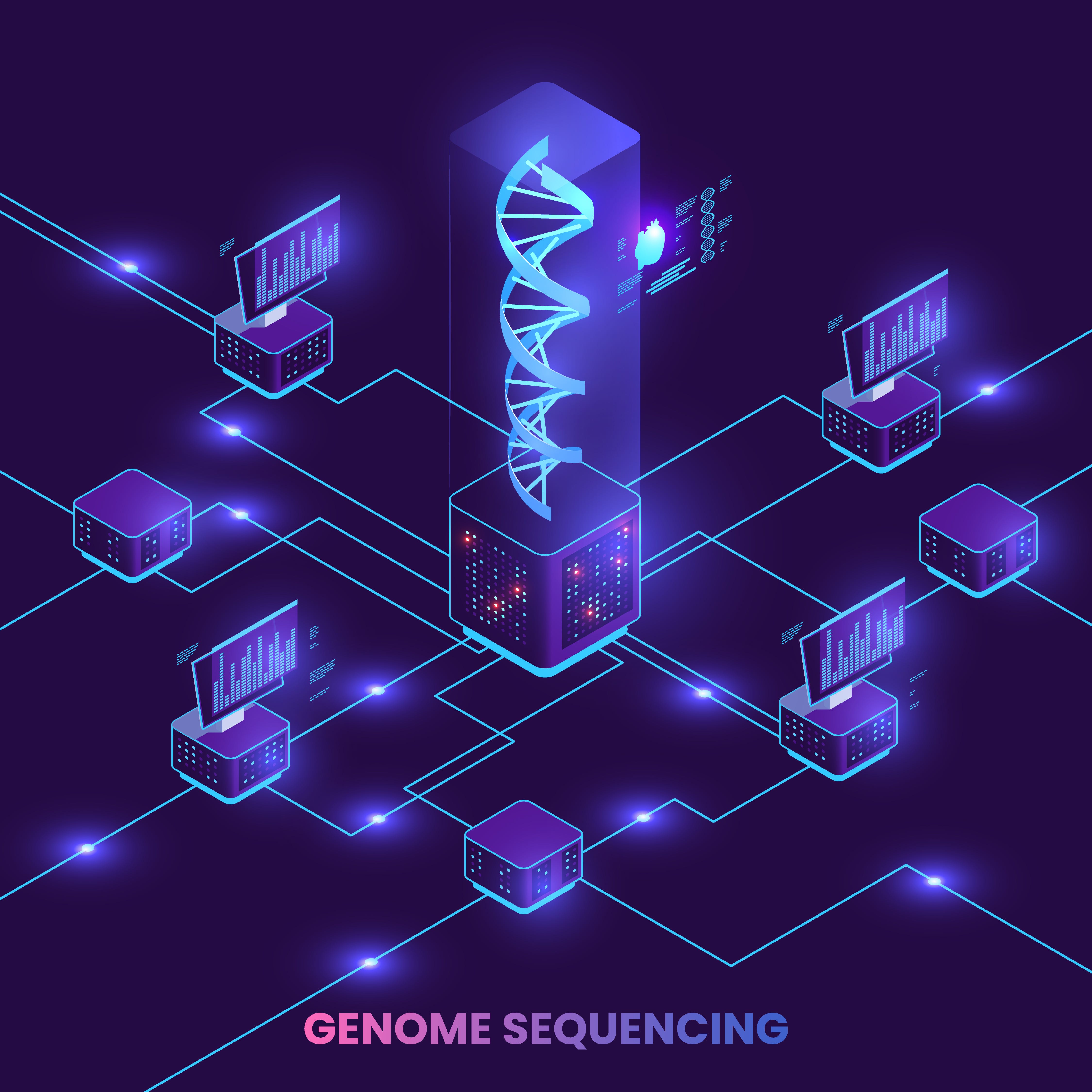
On the design front, AI enables precision engineering of genetic sequences. For example, generative models—particularly transformer-based architectures commonly used in natural language processing (NLP)—are being repurposed to treat genetic code as a language to be parsed, contextualized, and rewritten. This allows for the creation of synthetic genetic sequences optimized for specific tasks, whether building enzymes for biocatalysis, creating more robust microbial strains, or programming metabolic pathways for high-yield production of biopharmaceuticals.
Enzyme Engineering: Catalysts as Living Machines
Synthetic biology and industrial biotechnology stand to benefit enormously from AI-led genetic code engineering, particularly in enzyme design and optimization. Enzymes—biomolecular catalysts that underpin nearly all biological processes—can now be rationally designed using AI. Techniques like molecular dynamics simulations, free energy perturbation (FEP) calculations, and AI-driven molecular docking allow researchers to assess a wide spectrum of mutations and their effects on enzyme function.
By incorporating data from 100,000+ species, AI models gain an edge in identifying evolutionary patterns that lead to functional robustness in enzymes. This insight can be channeled into designing next-generation enzymes with tailored specificity, improved stability under industrial conditions (e.g., high temperature or extreme pH), and optimized catalytic efficiency for green chemistry applications. Pharmaceuticals, biofuels, and biodegradable plastics all stand to benefit as enzyme engineering approaches become more precise and cost-effective.
Implications for Drug Discovery and Development
In the realm of drug discovery, AI’s unprecedented access to genomic data is proving transformative. Proteins, created from genetic blueprints, are often at the heart of therapeutic targets. Misfolded or dysregulated proteins are implicated in numerous diseases, ranging from cancers to neurodegenerative disorders. AI tools trained on diverse genetic data can help elucidate how these proteins behave in health and disease, offering pathways for identifying high-value targets.
Moreover, AI-designed genetic sequences are advancing therapeutic production itself. For instance, generating synthetic DNA or RNA constructs with minimal immunogenicity or enhanced translational efficiency has critical applications in mRNA vaccines and gene therapies. As AI becomes an integral player in designing genetic constructs, the processes of optimizing macromolecular therapeutics will likely accelerate, leading to faster development timelines and improved therapeutic efficacy.
Synthetic Gene Networks: Programmable Cells for Personalized Medicine
A particularly exciting facet of AI-driven genetic engineering is the creation of synthetic gene networks. These modular systems, synthesized computationally and then implemented biologically, enable cells to act as programmable factories or even therapeutic agents. AI tools assist in generating regulatory circuits that allow cells to change behavior dynamically in response to their environment.
For instance, synthetic gene networks could enable targeted drug delivery, where engineered microbes release therapeutic compounds exclusively in diseased tissue. Similarly, they could power probiotics capable of monitoring and adjusting the human gut microbiome in real-time. With AI enabling the design of such intricate systems, the dream of personalized, dynamic medicine edges closer to reality.
Bridging Biology with Computational Chemistry
The fusion of genomics with computational chemistry presents a particularly exciting frontier. Insights derived from AI models trained on genomic data often inform atomistic simulations in computational chemistry, bridging molecular-scale details with broad biological phenomena. For example, pairing AI-directed protein design with fragment-based drug discovery (FBDD) enables highly accurate prediction and validation of drug-protein interactions.

Such synergies improve lead compound optimization, enhance binding affinity predictions, and even enable de novo molecule generation. This connection between genetic sequence data and chemical properties exemplifies how AI tools are breaking down traditional disciplinary silos, enabling end-to-end innovation in drug discovery pipelines.
Ethical Considerations and Responsible Innovation
Despite its promise, AI-based genetic code engineering raises important ethical and regulatory questions. The capacity to redesign genomes or create novel life forms carries risks, particularly in areas such as biosecurity, ecological stability, and informed consent for genetic therapies. As AI-trained models increasingly operate in the dual arenas of interpretation and design, ensuring transparency, traceability, and accountability must remain a priority across the community.
Medvolt’s approach to responsible AI innovation ensures that the powerful tools shaping genetic engineering are coupled with robust ethical safeguards. By fostering interdisciplinary collaboration between computational science, life sciences, and bioethics, organizations like Medvolt help pave the way for technologies as impactful as they are responsibly developed.
Conclusion: From Decoded Code to Designed Futures
Training AI systems on the genomic data of over 100,000 species is setting a new standard in the life sciences, marrying the predictive power of data-driven models with the creative potential of synthetic biology. By enabling unparalleled insights into genetic function and architecture, these tools are redefining possibilities in enzyme customization, drug discovery, and beyond.
In a field as dynamic as AI-driven biotechnology, Medvolt continues to play a pivotal role in leveraging these advancements to achieve practical solutions, from improving therapeutic design pipelines to driving industrial innovations aimed at sustainability. As genetic engineering and AI progress in tandem, our ability to design optimized biological systems with precision and efficiency will undoubtedly transform industries and improve lives on both a personal and global scale.