


Enhancing Vaccine Research Workflows Through Dependable Liquid Handling Systems
Explore how dependable liquid handling systems improve precision, reproducibility, and scalability in AI-driven vaccine research and development.
The landscape of vaccine research is evolving rapidly, propelled by breakthroughs in computational chemistry, artificial intelligence (AI)-driven drug discovery and high-throughput molecular biology. Central to the success of these advanced workflows is the integration of dependable liquid handling technologies, which deliver precision, consistency and scalability in laboratory processes critical for vaccine development.
The Role of Liquid Handling in Vaccine R&D
Vaccine research inherently relies on complex, iterative workflows involving tasks such as reagent preparation, serial dilutions, sample aliquoting and assay setup. These steps often require meticulous precision and tedious repetition that, if performed manually, can introduce variability and human error, thereby undermining experimental reproducibility and delaying timelines.
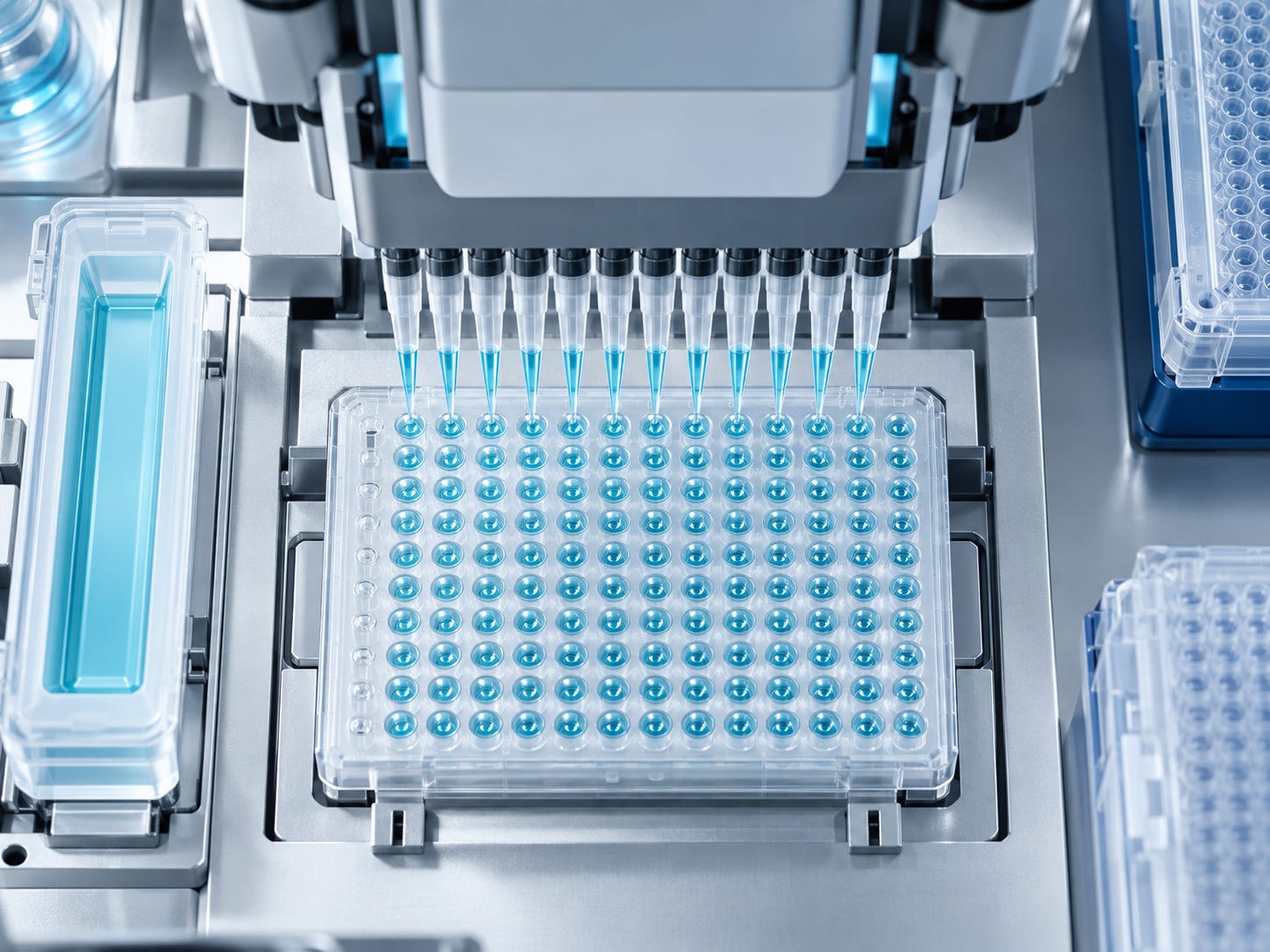
Automated and semi-automated liquid handling systems mitigate these challenges by providing standardized, accurate fluid transfer with minimal cross-contamination risk. In the context of vaccine candidate screening, antigen-antibody interaction profiling or nucleic acid assay preparation, such dependability directly impacts data quality, bolsters confidence in experimental outcomes and accelerates decision-making.
Integration With AI-Driven Vaccine Research Platforms
The emergence of AI and machine learning in biotechnology has transformed vaccine R&D, enabling in silico molecular modeling, antigen design optimization and predictive analytics that forecast immunogenic responses. However, the potential of AI-driven methodologies is fully realized only when coupled with reproducible, high-quality experimental data generated in the wet lab.
Dependable liquid handling solutions enable seamless integration with advanced AI pipelines by:
- Ensuring Consistency: Automated pipetting reduces variability in sample preparation, producing uniform datasets vital for training robust machine learning models.
- Enhancing Throughput: High-volume liquid handling systems support scalable experimental setups, generating extensive multi-omics and phenotypic data required for comprehensive AI analyses.
- Facilitating Workflow Automation: Interfacing liquid handlers with robotic platforms enables end-to-end automated workflows, minimizing manual interventions and streamlining vaccine candidate validation processes.
By harmonizing automation and AI, laboratories substantially improve the speed and fidelity of vaccine discovery cycles.
Addressing Challenges of Complexity and Scale
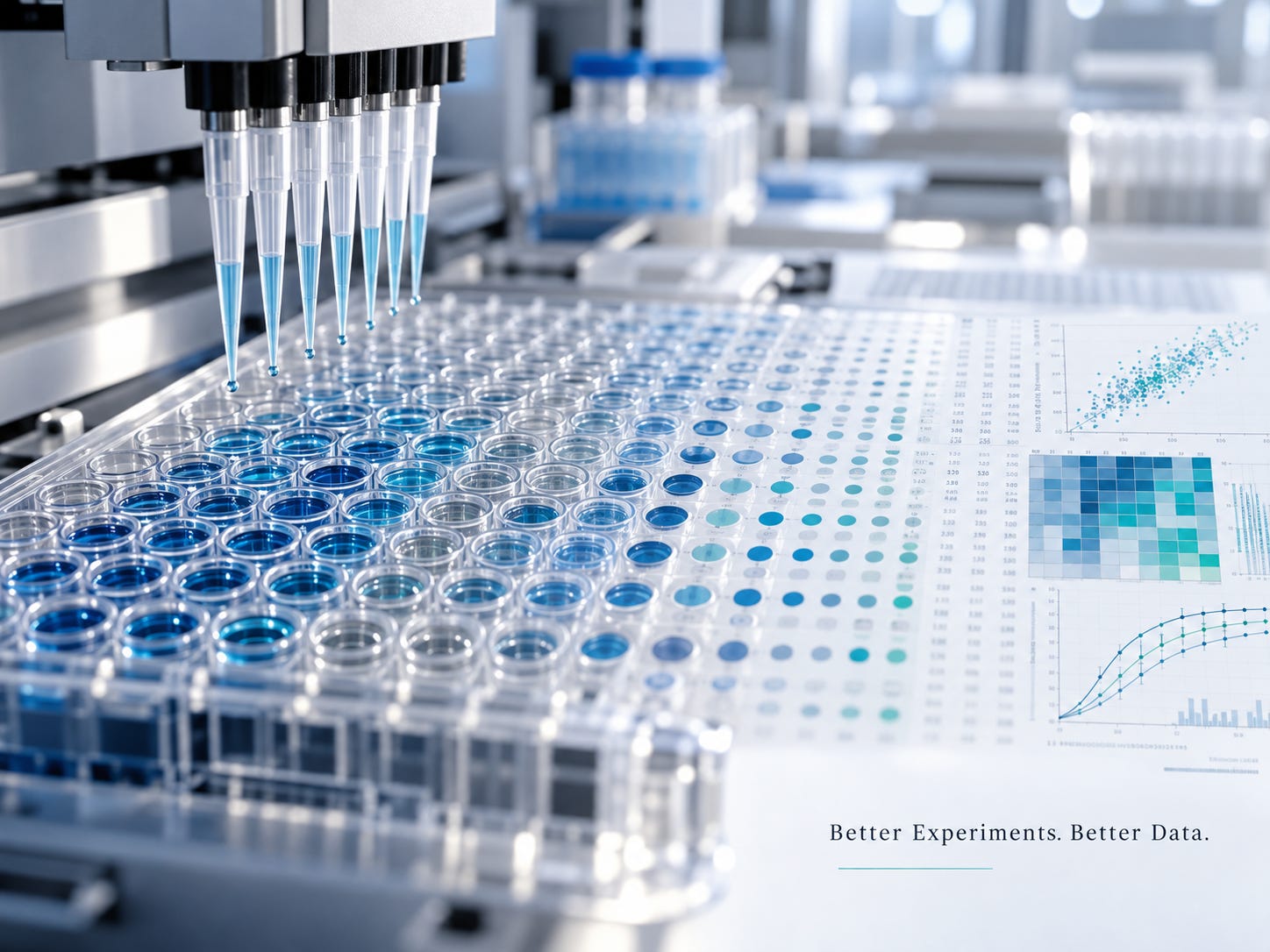
Vaccine research workflows often encompass diverse molecular biology procedures, including PCR setup, ELISA plate preparation, antigen titration and next-generation sequencing (NGS) library construction. Each step demands precise volumetric control to maintain assay sensitivity and specificity.
Dependable liquid handling instruments are engineered to tackle such complexity through features like adjustable tip spacing, multi-channel pipetting and hybrid manual-electronic modes tailored to various throughput levels. Furthermore, ergonomic design reduces operator fatigue during repetitive pipetting tasks, indirectly promoting consistent performance over extended periods.
These technologies also accommodate flexible sample formats and volumes, essential when handling precious clinical specimens or minute reagent quantities common in vaccine research.
Case Study: Streamlining Molecular Virology Workflows
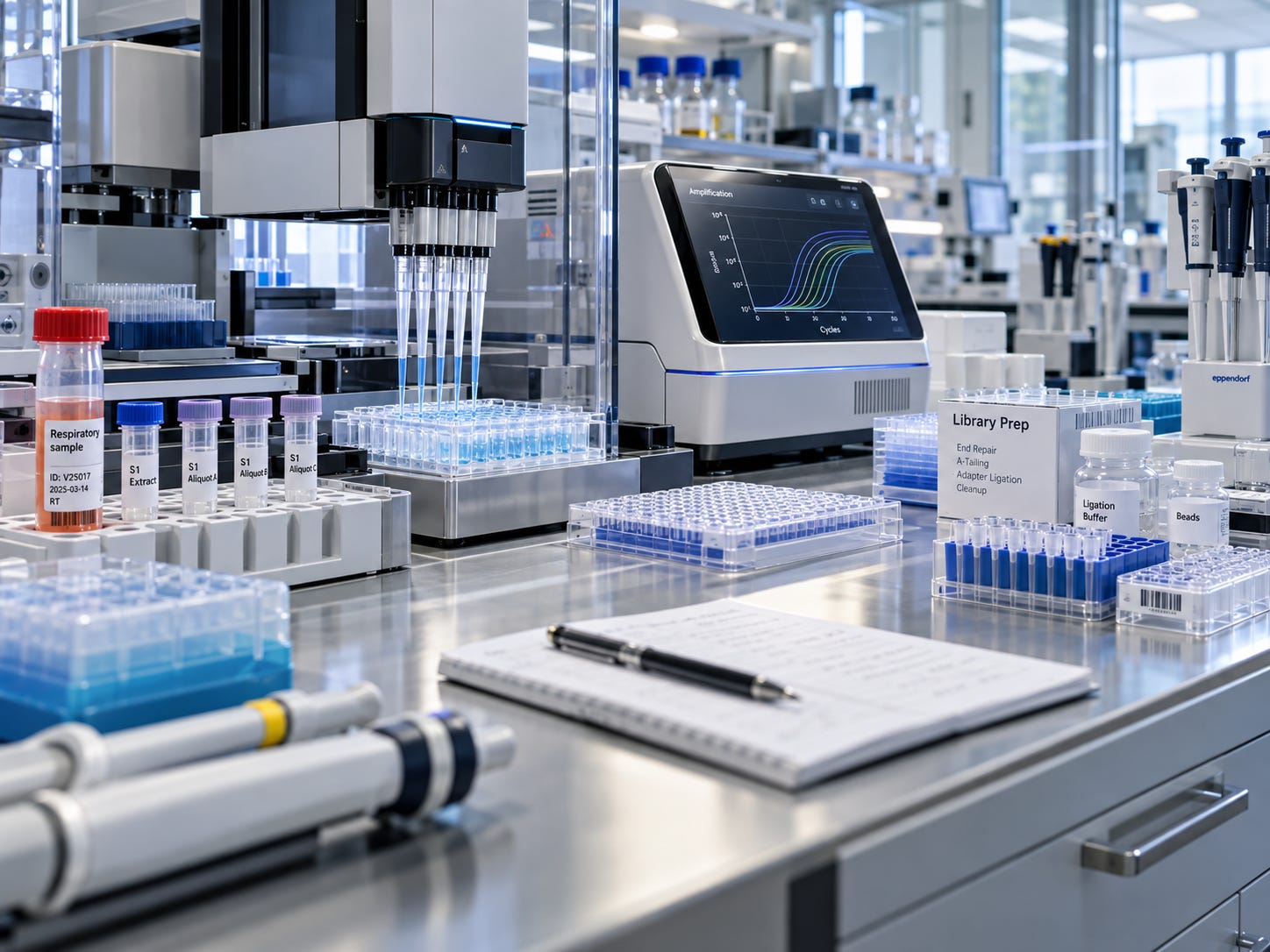
Consider a molecular virology lab focusing on emerging infectious diseases. High-fidelity liquid handling systems enable the rapid aliquoting of reagents into multiple assay plates, expedient preparation of reaction mixes for quantitative PCR, and standardized processing of viral RNA samples for downstream sequencing and bioinformatics analysis.
Such reliability not only shortens experimental turnaround times but also underpins reproducible data generation—critical for comparative studies and regulatory submissions. Consequently, labs executing vaccine development programs benefit from enhanced throughput without compromising data integrity.
The Medvolt Advantage: AI-Powered R&D Capabilities Coupled With Precision Pipetting
Medvolt’s expertise in AI-driven drug discovery extends to comprehensive support for optimized vaccine research workflows. By integrating dependable liquid handling solutions into its platform, Medvolt facilitates:
- Accurate Sample Preparation: Minimizing errors in reagent dispensing that can skew AI model training datasets.
- Accelerated Experimental Iterations: Coordinating liquid handling automation with computational predictions to rapidly refine vaccine candidates.
- Data-Driven Decision Making: Leveraging high-quality assay data obtained through reproducible workflows to guide AI-assisted hypothesis generation.
Medvolt’s holistic approach underscores the synergy between computational modeling and laboratory automation, enabling researchers to traverse the vaccine development pipeline more efficiently.
Future Directions: Expanding Capabilities Through Intelligent Automation
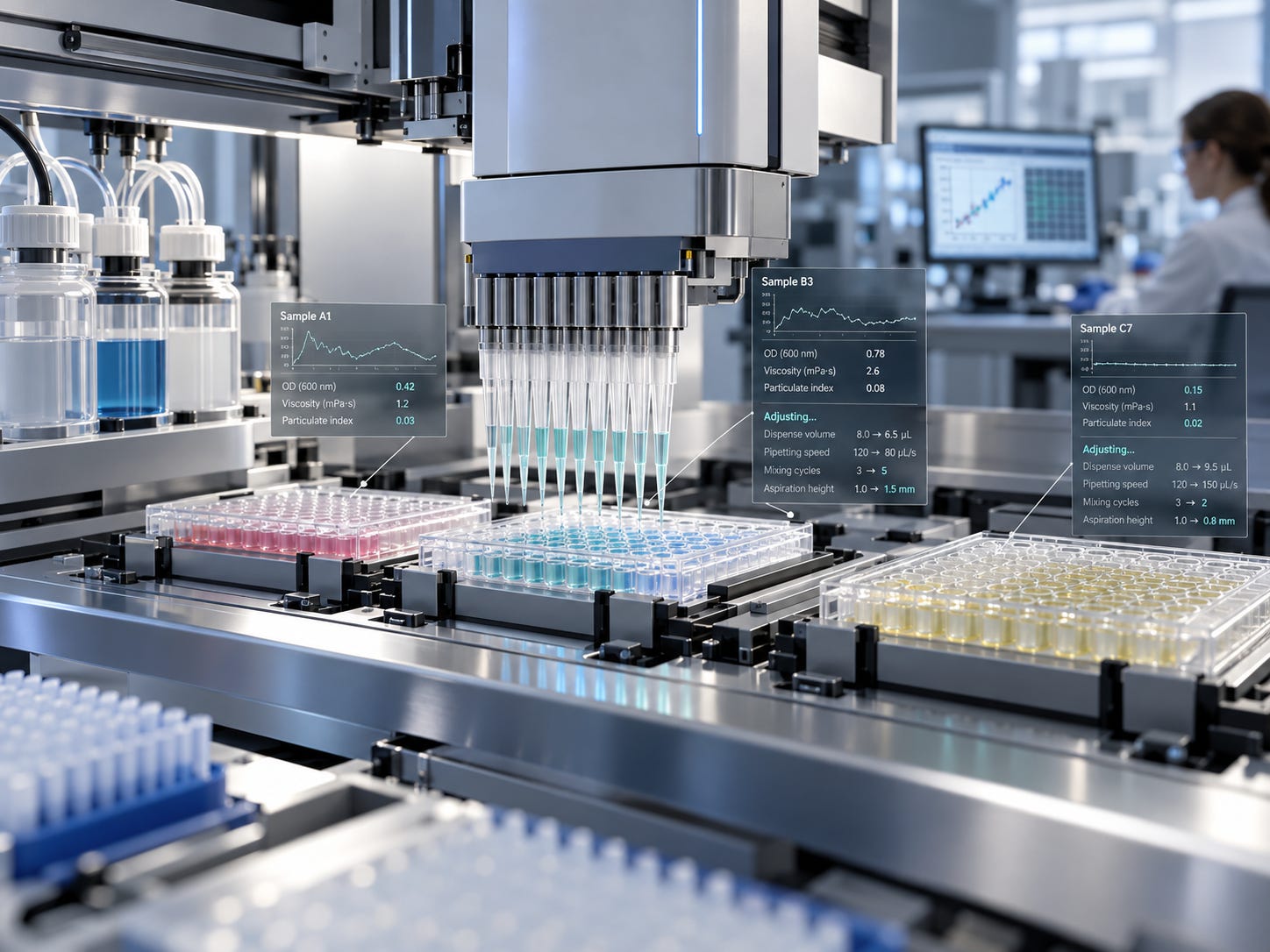
Looking ahead, advancements in liquid handling technology are poised to further enhance vaccine research by incorporating AI not only for data analysis but also for real-time process optimization. Intelligent liquid handlers equipped with sensor feedback and adaptive protocols could autonomously adjust liquid transfer parameters to accommodate sample variability and maintain assay performance.
This convergence will facilitate dynamic, closed-loop workflows where AI algorithms iteratively refine experiments based on live data, dramatically accelerating vaccine candidate optimization.
Conclusion
Reliable liquid handling systems constitute an indispensable foundation in vaccine research workflows. Their role transcends mere fluid transfer; they are pivotal enablers of data quality, throughput and reproducibility—parameters that directly influence the success of AI-driven drug discovery and vaccine development efforts.
By leveraging dependable liquid handling technologies within integrated AI-supported platforms, research organizations can overcome operational bottlenecks, reduce experimental variability and accelerate the translation of molecular discoveries into effective vaccines. Medvolt’s commitment to merging precision automation with advanced computational methods exemplifies the forward trajectory of life sciences innovation aimed at addressing global health challenges.

