


Ginkgo Datapoints, Tangible Scientific and Inductive Bio Introduce ADME-One: Advancing Early ADME Profiling with Integrated AI and Experimental Workflows
Explore how ADME-One integrates experimental assays, AI-driven pharmacokinetic modeling and compound management to accelerate early drug discovery.
Understanding ADME (absorption, distribution, metabolism and excretion) characteristics early in drug discovery remains critical to increasing candidate success rates and reducing attrition in preclinical development. In this context, the launch of ADME-One a collaborative effort by Ginkgo Datapoints, Tangible Scientific and Inductive Bio represents a strategic innovation, combining experimental ADME assays with machine learning-driven pharmacokinetic modeling under a streamlined, single-SKU service. This integrated offering targets early hit identification phases, offering a practical solution to the persistent challenge of balancing speed, cost and accuracy in ADME profiling.
The Challenge of Early ADME Profiling in Drug Discovery
Traditionally, ADME assays such as microsomal stability, cell permeability, CYP enzyme inhibition, kinetic solubility and plasma protein binding testing have been reserved for later stages, often in lead optimization. Such sequencing leaves critical ADME liabilities undetected during hit identification, resulting in costly downstream failures or rework. Moreover, many preclinical ADME assessments hinge on external contract research organizations (CROs), frequently offshore and with long turnaround times, impairing agility in iterative design cycles.
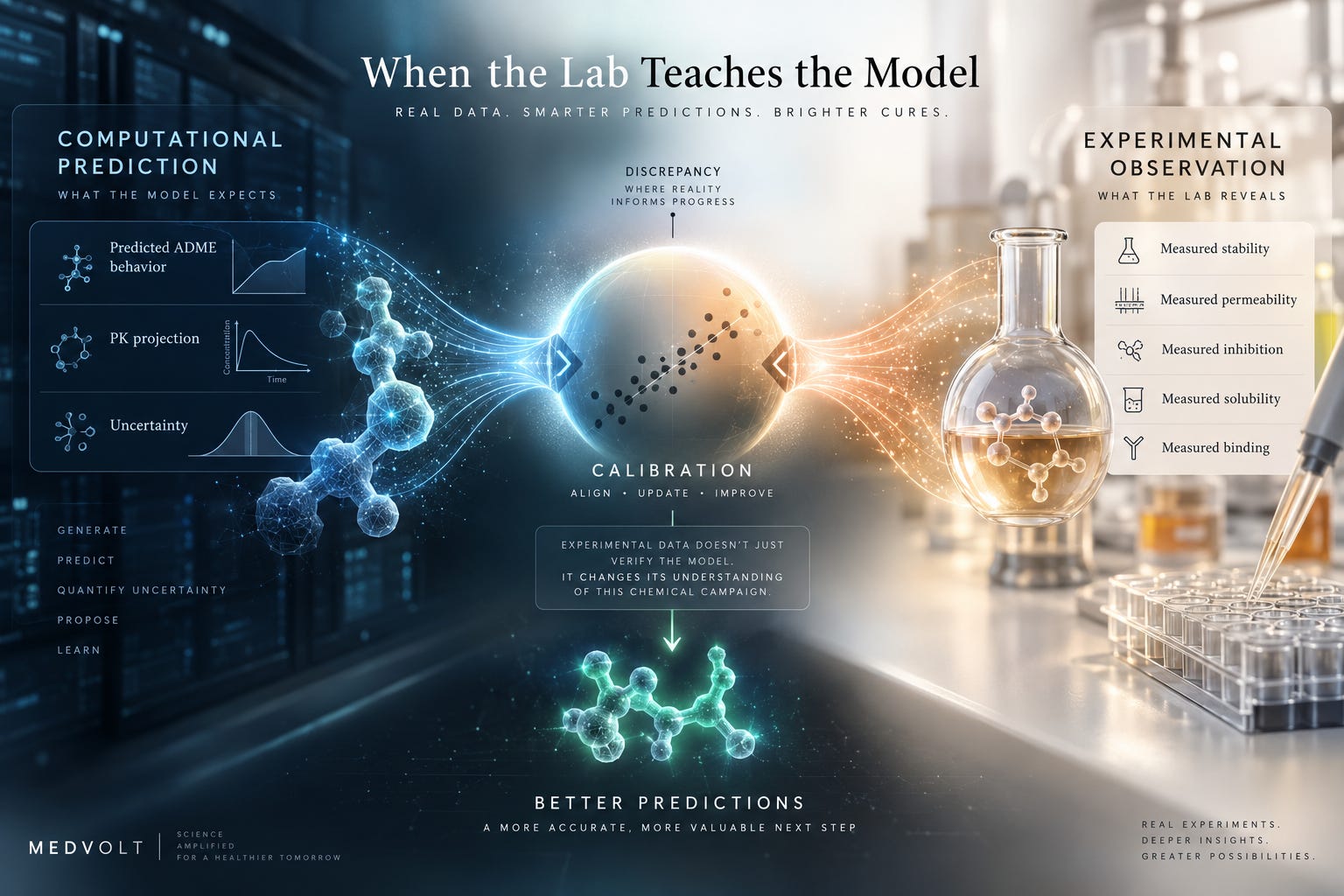
Addressing this gap, ADME-One brings Tier 1 ADME tests forward into early discovery workflows, enhancing data-rich decision-making during hit selection and chemical series prioritization. By integrating Tangible Scientific’s well-established lab services with Inductive Bio’s validated AI models and Ginkgo Datapoints’ compound management capabilities, the service embeds a lab-in-the-loop approach. This means experimental data continually retrain and improve predictive models, reducing uncertainty and enabling a feedback loop critical for AI-driven molecular design.
Core Components of ADME-One
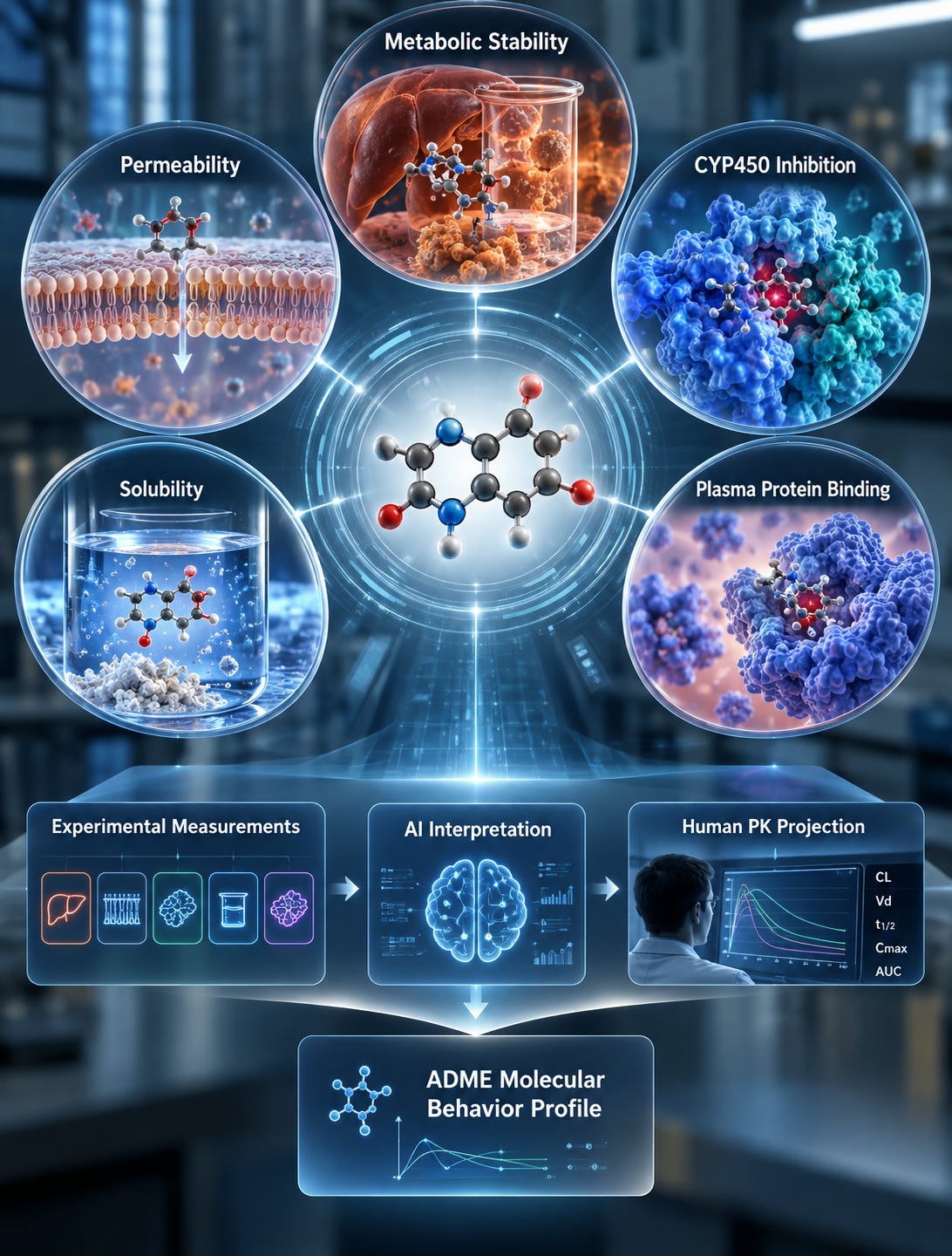
- Tier 1 ADME Panel: Comprehensive in vitro assays focusing on microsomal metabolic stability, Caco-2 or parallel artificial membrane permeability, CYP450 inhibition profiles, solubility across physiological pH ranges and plasma protein binding. These parameters serve as foundational indicators of drug-like properties and pharmacokinetic behavior.
- AI-Driven Human Pharmacokinetic Projection: Inductive Bio’s proprietary models, benchmarked against stringent community challenges such as the OpenADMET-ExpansionRx and ASAP-Polaris competitions, have demonstrated superior accuracy in predicting multiple ADME endpoints. The models leverage machine learning techniques trained on extensive drug-like chemical series data and incorporate campaign-specific experimental results, enabling context-aware predictions that surpass existing open-access tools.
- Compound Management and Workflow Integration: Ginkgo Datapoints’ infrastructure ensures seamless handling, tracking and quality control of chemical samples, facilitating reliable data capture and ensuring traceability. This alleviates typical operational bottlenecks between computational and experimental units.
Implications for AI-Driven Drug Discovery
Medvolt recognizes that ADME-One exemplifies an emerging paradigm hybridizing empirical data generation with machine learning in an iterative, closed-loop framework. This modality aligns with the broader movement toward integrating AI not just as a black-box predictor but as a dynamic partner in drug discovery pipelines fostering continuous learning and refinement.
The early application of ADME testing reduces lead candidate risk by illuminating metabolism and bioavailability liabilities before substantial medicinal chemistry resources are expended. Furthermore, the integration with AI enables a shift from reliance on isolated experimental endpoints to holistic pharmacokinetic models that inform multi-parameter optimization.
From a strategic standpoint, the fully U.S.-based operational model addresses growing concerns related to data integrity, supply chain security and regulatory compliance factors amplified by recent legislative initiatives such as the BIOSECURE Act, advocating reshored preclinical activities.
Validating AI Models in Real-World Contexts
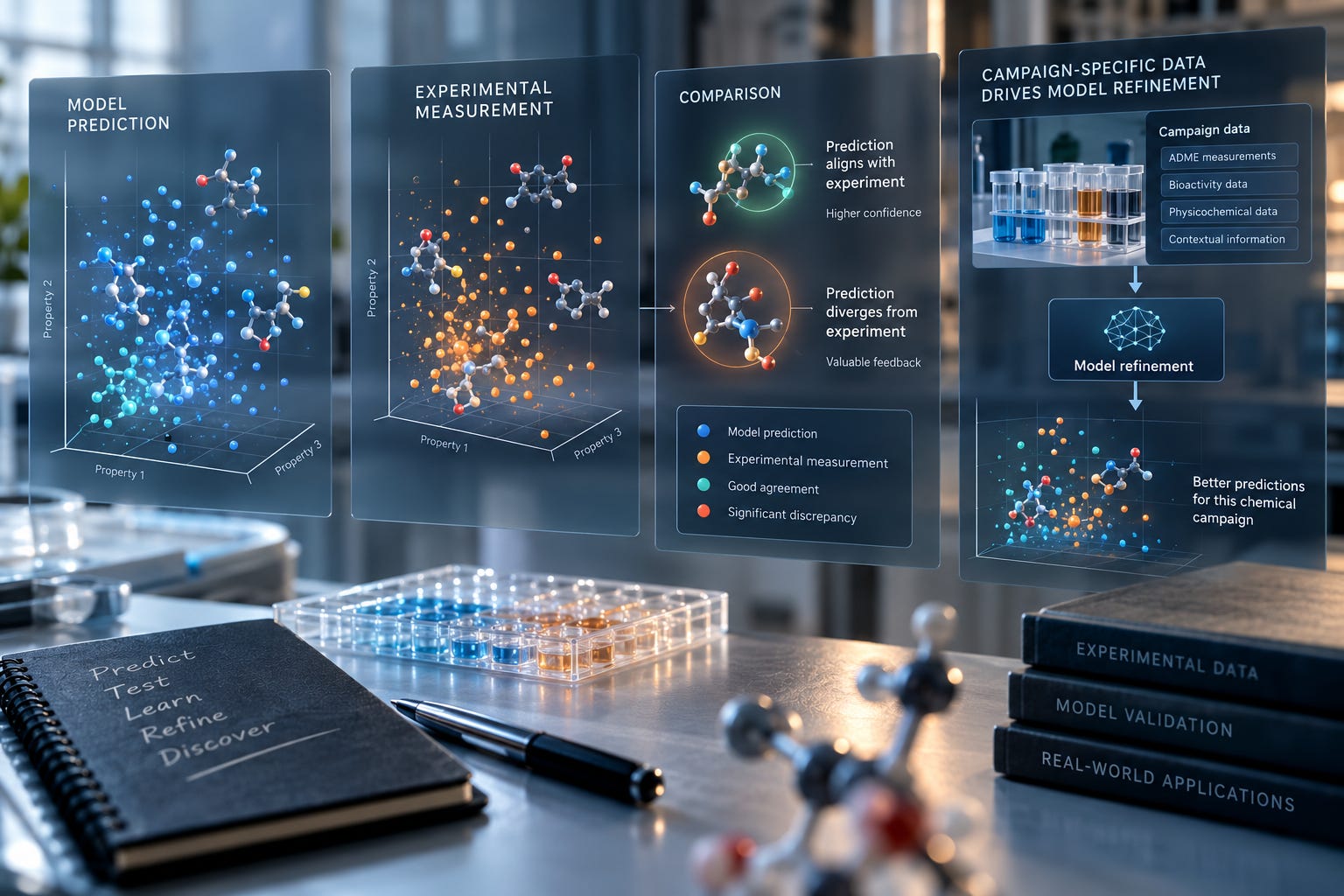
Inductive Bio’s models powering ADME-One have undergone rigorous validation through public data challenges, achieving top rankings in predicting key ADMET endpoints relevant to RNA-targeting drug discovery efforts. These benchmarks highlight the models’ ability to generalize beyond training data, a critical requirement for reliable deployment across diverse chemical spaces.
Notably, their superior performance compared to zero-shot public tools like ADMETlab 3.0 and ADMET-AI underscores the value of retraining on campaign-specific experimental data an approach integral to ADME-One’s lab-in-the-loop ethos.
Strategic Leadership and Industry Collaboration
The collaboration announced in 2025 continues to benefit from leadership with deep pharmaceutical and biotech experience, as evidenced by the recent appointment of industry veteran Jonathan Grob as VP of Small Molecules to steer the ADME-One portfolio strategy. Such stewardship is pivotal in aligning technical innovation with drug discovery business imperatives.
Collectively, these attributes position ADME-One as more than a service; it is a scalable model for integrating AI-driven computational chemistry with experimental pharmacokinetics delivering actionable insights at the earliest stages of small molecule programs.
Future Perspectives
The drive toward AI-augmented drug discovery is accelerating, with tools evolving toward multi-omics integration, molecular dynamics-informed simulations and enhanced prediction of complex ADMET behaviors. Services like ADME-One demonstrate how focused partnerships can operationalize these capabilities into accessible workflows.
For companies deploying AI in drug discovery, early integration of high-quality ADME data reduces downstream risk and resource expenditure while enhancing confidence in computational screening outputs. Medvolt anticipates that future iterations will incorporate increasingly sophisticated outputs, such as enzyme-specific metabolism predictions, transporter interactions and population-based pharmacokinetic variability modeling all enabled by accumulating data loops and more refined AI architectures.
Conclusion
By coalescing diverse scientific expertise spanning experimental enzymology, pharmacokinetics, AI-driven modeling and advanced compound management, Ginkgo Datapoints, Tangible Scientific and Inductive Bio’s ADME-One service addresses a critical bottleneck in drug discovery. Medvolt views this initiative as illustrative of a maturing ecosystem where data-driven and experimental facets converge, enabling earlier, more informed decisions and ultimately improving the quality and probability of drug candidate success.
As AI and experimental workflows continue to intertwine, services like ADME-One will likely become foundational components within modular, integrated discovery platforms, thereby accelerating the translation of molecular designs into viable therapeutics.

