


Hyperreactive Astrocytes as Central Drivers of TSC Epilepsy: Insights and Therapeutic Opportunities
Explore how hyperreactive astrocytes contribute to TSC-related epilepsy and how AI-driven drug discovery could enable targeted neurological therapies.
Tuberous Sclerosis Complex (TSC) is a genetic disorder characterized by benign tumor growth in multiple organs, most notably affecting the brain. Neurological manifestations, particularly epilepsy, present a significant clinical challenge, as seizures in TSC patients are often refractory to conventional treatments. Recent advances in neurobiology have highlighted the pivotal role of astrocytes non-neuronal glial cells in contributing to epileptogenesis in TSC. Specifically, the emergence of hyperreactive astrocytes has been identified as a key pathological driver, reshaping our understanding of seizure mechanisms and guiding novel therapeutic development.
The Astrocyte Paradigm in Epilepsy Pathogenesis
Astrocytes play essential roles in maintaining homeostasis within the central nervous system (CNS), including neurotransmitter recycling, ion regulation and modulation of synaptic activity. Under pathological conditions, astrocytes undergo reactive changes, adopting phenotypes that may support or hinder neural function. In TSC, mutations in the TSC1 or TSC2 genes disrupt the tuberous sclerosis complex protein pathway, leading to mTOR hyperactivation. While neuronal dysregulation has historically been the focus, accumulating evidence suggests that astrocytes respond abnormally to this molecular dysfunction.
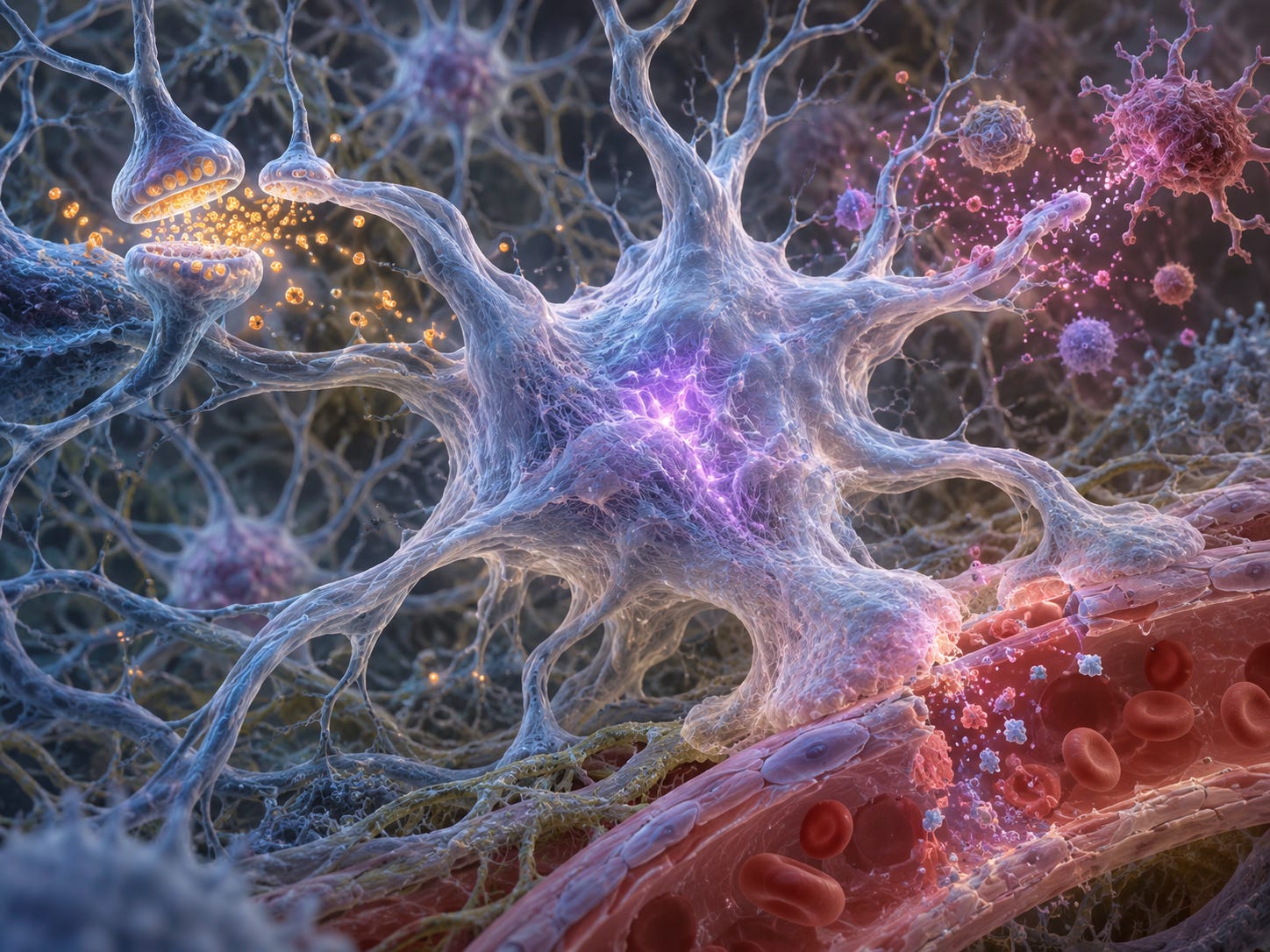
Hyperreactive astrocytes in TSC exhibit increased proliferation, altered calcium signaling and modifications in their secretome, which collectively disrupt the delicate neural microenvironment. These astrocytes exacerbate epileptiform activity by impairing glutamate clearance, increasing inflammatory mediator release and disturbing the blood-brain barrier integrity. This dual neuronal-glial pathology contributes to the complex refractory epilepsy phenotype observed in TSC patients.
Recent Scientific Advances: Profiling Hyperreactive Astrocytes
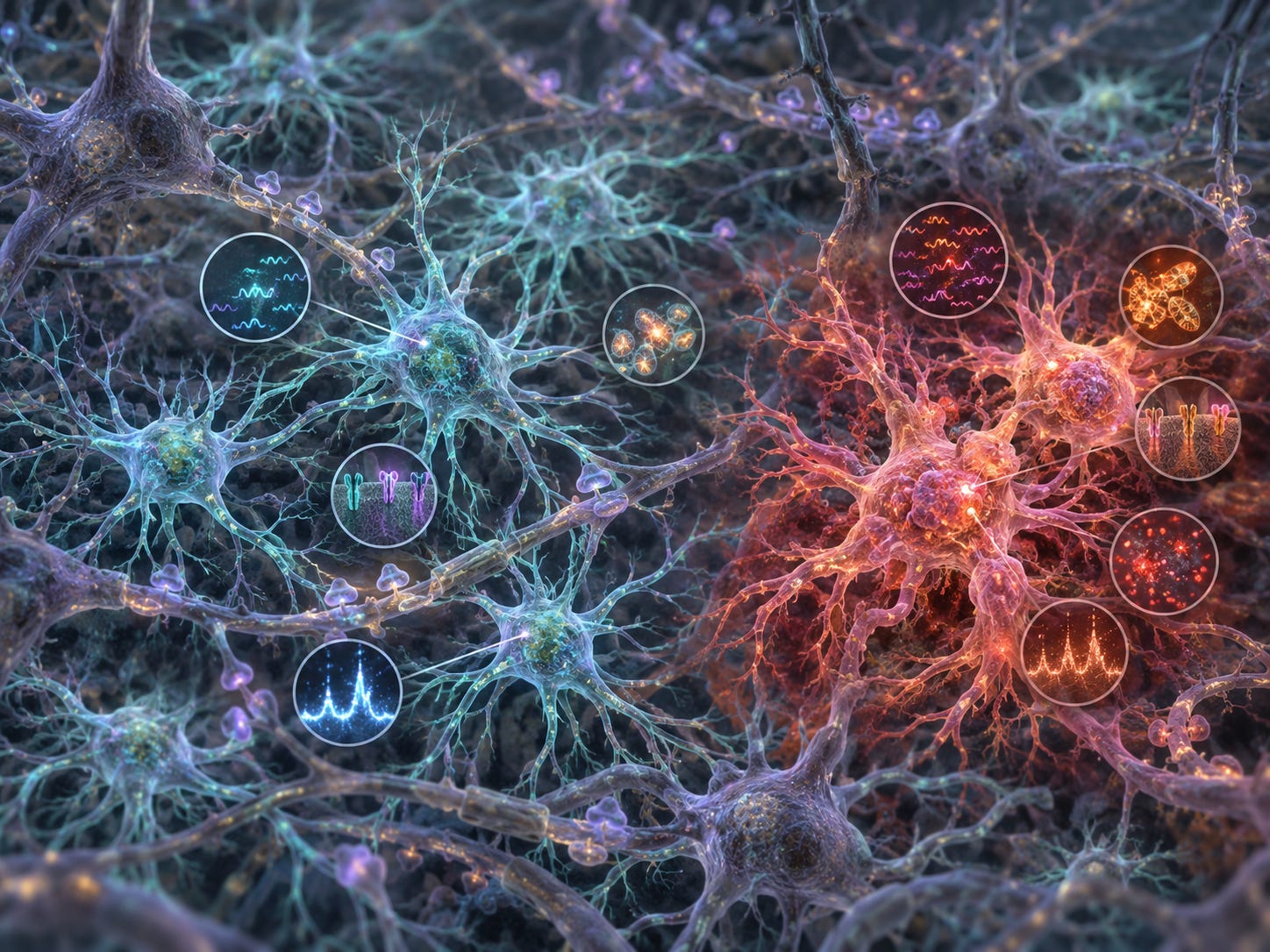
Cutting-edge techniques such as single-cell RNA sequencing and multi-omics analyses have enabled a detailed characterization of astrocyte subpopulations within TSC cortical lesions. These studies reveal distinct transcriptional profiles in hyperreactive astrocytes marked by elevated expression of pro-inflammatory cytokines, enhanced metabolic activity and upregulation of ion channels implicated in neuronal excitability. The identification of these molecular signatures provides actionable targets for therapeutic intervention.
Moreover, advanced imaging and electrophysiological approaches corroborate that astrocytic dysfunction precedes and augments neuronal hyperexcitability in TSC models. This temporal insight underscores astrocytes not merely as accomplices but as initiators in epileptogenic cascades.
Leveraging AI-Driven Drug Discovery to Target Astrocyte Pathology
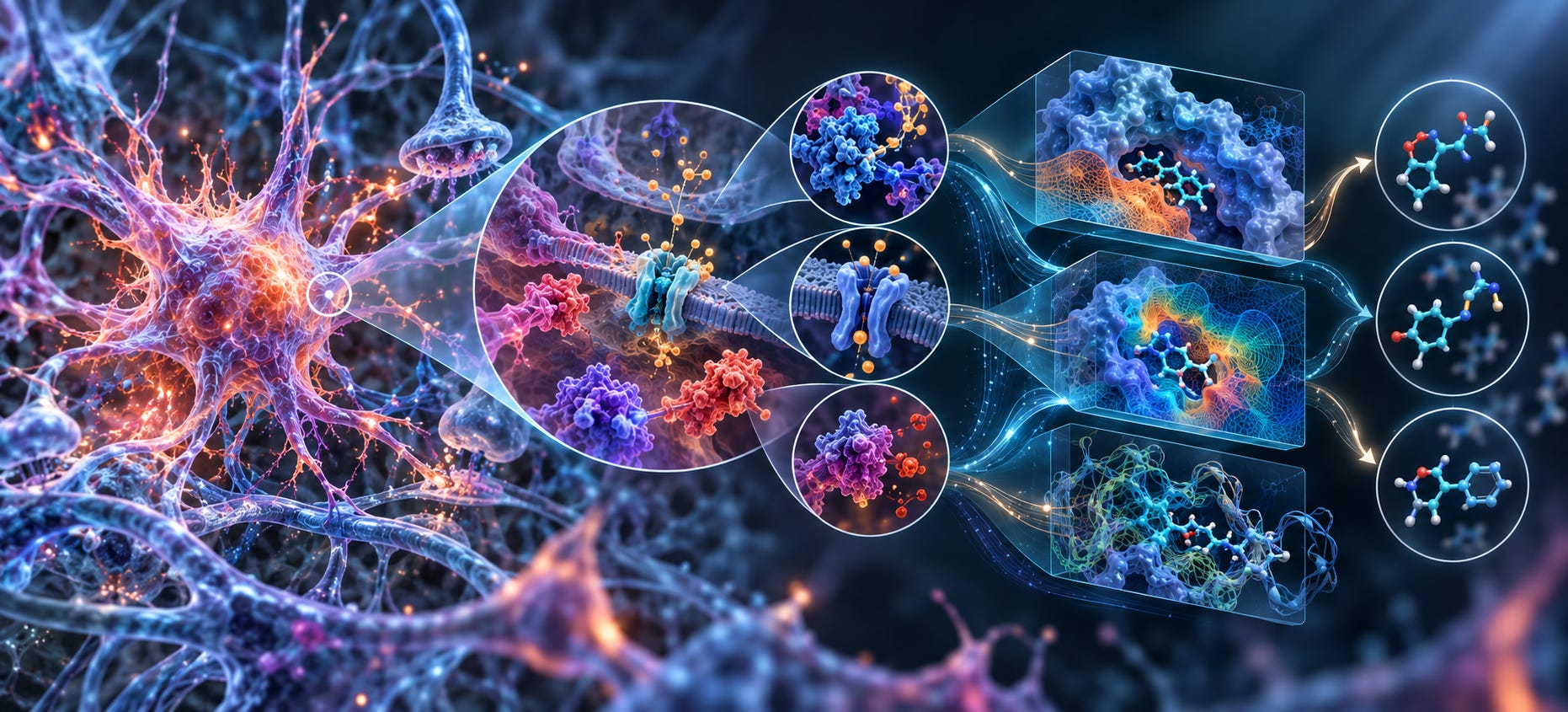
The complexity of astrocyte-mediated epilepsy necessitates precision therapeutic strategies beyond symptomatic seizure control. Here, Medvolt’s integration of AI-powered R&D exemplifies innovation in target identification and drug development. Utilizing AI-driven molecular modeling, Medvolt’s platforms analyze multi-omics datasets to pinpoint druggable nodes within the aberrant astrocyte pathways.
For instance, fragment-based design augmented by machine learning algorithms facilitates the generation of candidate molecules that modulate key regulators of astrocyte reactivity, such as mTOR pathway components and astrocytic glutamate transporters. Furthermore, free energy perturbation (FEP) simulations enable high-accuracy binding affinity predictions, optimizing compound selection early in the pipeline.
By harnessing network pharmacology approaches, AI can also uncover synergistic drug combinations targeting multiple aspects of astrocyte dysfunction such as inflammatory signaling and metabolic dysregulation thereby maximizing therapeutic efficacy with reduced off-target effects.
Implications for Clinical Translation and Future Research
Understanding hyperreactive astrocytes as central drivers in TSC epilepsy reshapes therapeutic strategies from purely neuronal targets to integrated glial-neuronal interventions. The application of AI-guided drug discovery augments this paradigm by accelerating the identification of novel astrocyte-centered therapeutics.
Future studies should focus on validating computational predictions with experimental assays, including human induced pluripotent stem cell (iPSC)-derived astrocytes and advanced in vivo models. Additionally, longitudinal multi-omics coupled with AI-driven data integration will be invaluable in unraveling astrocyte heterogeneity and plasticity during epileptogenesis.
Conclusion
The recognition of hyperreactive astrocytes as pivotal contributors to TSC-related epilepsy marks a significant advancement in neurobiology and drug discovery. By integrating AI-driven molecular modeling, multi-omics analysis and computational simulations, platforms like Medvolt enable comprehensive exploration of astrocyte biology and facilitate the rational design of next-generation therapeutics. This holistic approach holds promise not only for improving outcomes in TSC epilepsy but also for broader applications in neurological disorders characterized by glial dysfunction.

