


ITOCHU Enhances Drug Development Support by Leveraging AI-Driven Drug Discovery Technologies
Explore how ITOCHU is integrating AI-driven drug discovery, antibody and peptide design, and computational technologies to accelerate pharmaceutical R&D.
In the evolving landscape of pharmaceutical research, optimizing drug discovery pipelines has become a critical focus to offset escalating costs and demanding regulatory requirements. Against this backdrop, ITOCHU Corporation’s recent initiative to augment its drug development support through AI-driven drug discovery technologies marks a significant stride in integrating advanced computational methods with traditional pharmaceutical R&D.
Contextualizing AI in Drug Discovery
AI-driven drug discovery methods such as deep learning models, physical simulations and multi-omics data integration have transformed the preliminary phases of identifying promising drug candidates. These technologies facilitate the prediction of molecular interactions, antibody-antigen binding affinities and enzymatic activity modulation with enhanced precision, enabling a more targeted approach compared to conventional high-throughput screening alone.

The critical advantage lies in the early-stage optimization of lead compounds. By combining molecular docking, free energy perturbation (FEP) simulations and AI-powered fragment-based design, researchers can tailor molecules with higher efficacy and safety profiles before advancing them into costly preclinical studies.
ITOCHU’s Strategic Alliance with AI-Driven Drug Discovery
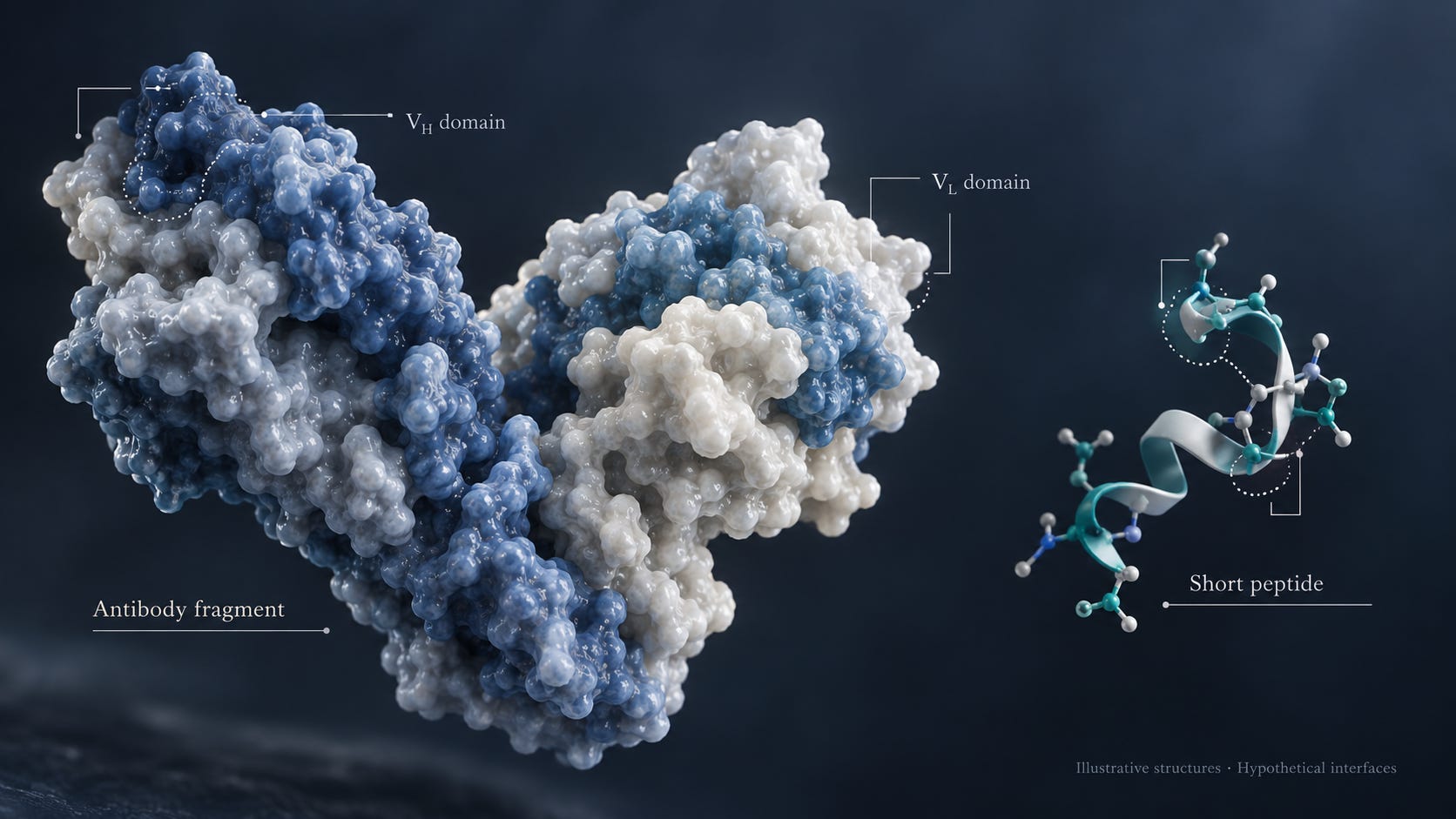
ITOCHU’s capital alliance with a biotech firm specializing in AI platforms designed for antibodies and peptide therapeutics exemplifies a holistic approach to drug discovery support. The partner’s proprietary large language model (LLM), integrated with high-resolution biophysical simulations and curated bioinformatics data, empowers a cohesive platform capable of rational candidate design and optimization.
Antibodies and peptides represent increasingly vital therapeutic classes, especially within oncology, immunology and rare diseases. Their structural complexity and specificity render traditional development methods resource-intensive. Utilizing AI for candidate molecule refinement, epitope mapping and conformational prediction significantly accelerates timelines and reduces attrition rates.
Enhancing R&D Efficiency Across Drug Development Stages
Medvolt recognizes the necessity of bridging early AI-driven discovery tools with downstream clinical development frameworks. ITOCHU’s initiative focuses on establishing an integrated support system encompassing:
- Discovery Phase: Leveraging AI models to identify novel drug candidates, predict binding characteristics and simulate molecular dynamics to refine lead structure.
- Preclinical Development: Facilitating toxicology prediction, ADMET (absorption, distribution, metabolism, excretion and toxicity) profiling through computational inferences that reduce dependency on exhaustive experimental assays.
- Clinical Trial Support: Utilizing AI to stratify patient cohorts, optimize dosing regimens and predict adverse events, thereby streamlining clinical workflows and enhancing data-driven decision-making.

This end-to-end pipeline integration illustrates the maturation of AI technologies beyond conceptual tools into indispensable components of pharmaceutical innovation.
Implications for the Life Sciences Ecosystem
By weaving AI-driven drug discovery technology into its broad pharmaceutical development platform, ITOCHU is positioning itself as a pivotal facilitator for both domestic and international biotech ventures. The capacity to offer seamless transition from candidate design to clinical trial execution reduces friction and accelerates the commercial availability of novel therapies.
Moreover, this approach aligns with broader industry trends emphasizing translational research and adaptive development strategies. It fosters collaboration between computational chemists, molecular biologists, clinicians and data scientists, catalyzing synergistic innovation.
Medvolt’s Perspective on AI-Driven Drug Discovery Evolution
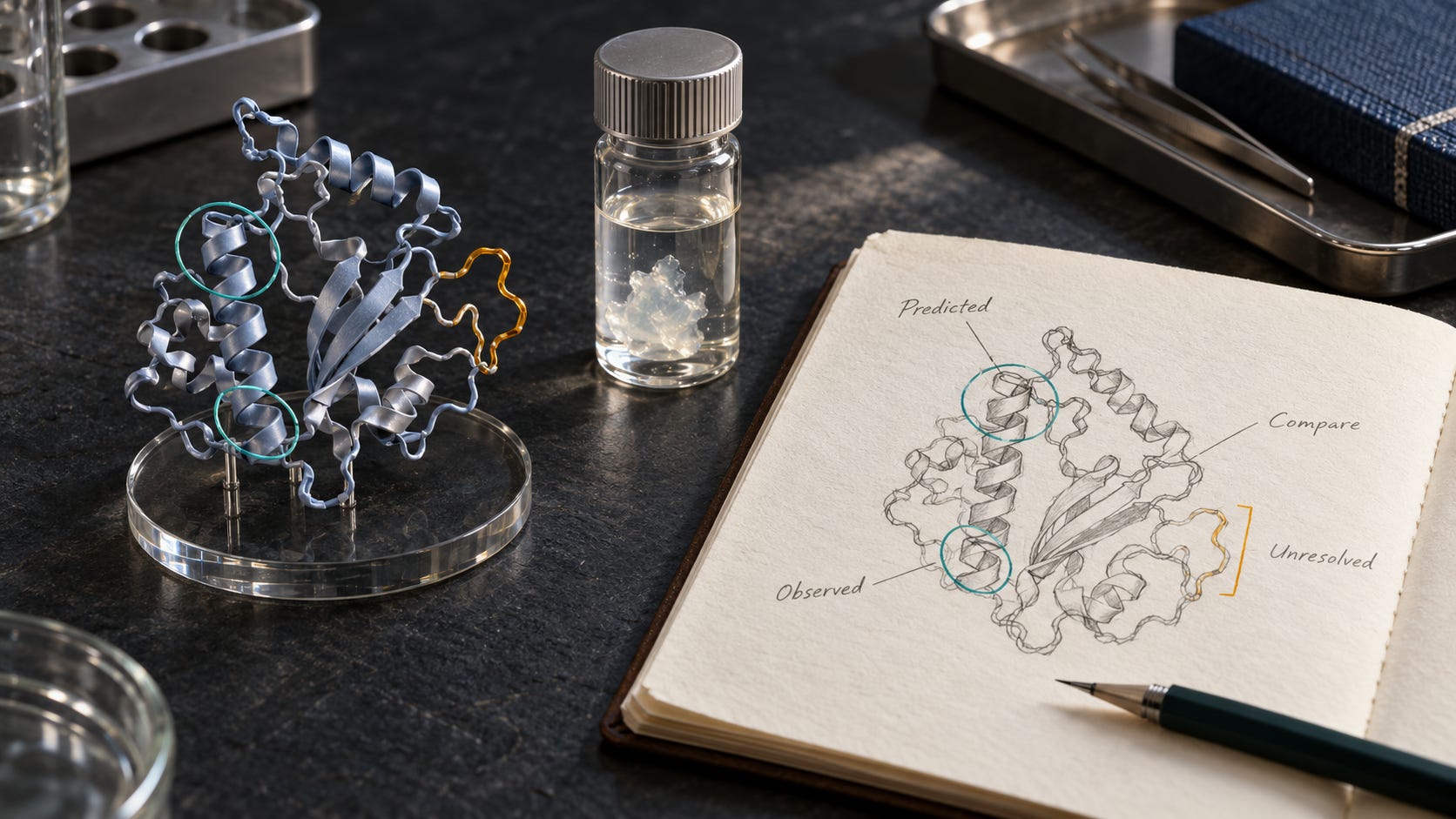
Medvolt’s experience in AI-assisted molecular modeling and enzyme engineering underscores the critical value of integrating advanced computational tools into pharmaceutical R&D. The synergy of AI with experimental validation provides a feedback loop that refines predictive models, enhancing accuracy over time.
Utilizing fragment-based design in conjunction with FEP simulations, Medvolt has demonstrated enhanced lead optimization capabilities. Furthermore, the incorporation of multi-omics datasets facilitates a comprehensive understanding of disease biology, supporting the identification of novel therapeutic targets and mechanisms.
In this context, ITOCHU’s strategic enhancement exemplifies how industry leaders are operationalizing AI not just for discovery, but as a foundational element of translational research infrastructure.
Conclusion
ITOCHU’s commitment to reinforcing drug development support through AI-driven drug discovery technologies exemplifies a progressive and scientifically grounded response to the challenges currently facing pharmaceutical innovation. The integration of proprietary AI platforms focused on antibodies and peptides, coupled with expansive development support services, can significantly expedite therapeutic candidate progression from concept to clinic.
As AI continues to permeate every stage of drug discovery and development, initiatives like ITOCHU’s alliance serve as practical models for leveraging computational advances to enhance productivity, reduce costs and ultimately bring effective medicines to patients faster. Organizations like Medvolt are at the forefront of this transformation, offering expertise and technology that strengthen the global biopharmaceutical ecosystem’s capacity to innovate sustainably.

