


Magnetic Bacteria and Longevity: Exploring Microbial Influence on Ageing Mechanisms through AI-Driven Research
Explore how magnetotactic bacteria influence ageing, iron metabolism and ferroptosis, and how AI-driven research could unlock new longevity therapies.
Ageing remains one of biology’s most complex and compelling challenges, involving intricate molecular pathways that govern cellular function, damage accumulation and organismal decline. A recent intriguing development in longevity research involves magnetotactic bacteria and their surprising ability to extend the lifespan of nematodes small worms widely used as model organisms. This phenomenon not only opens a novel direction in ageing research but also illustrates how microbial interactions could modulate fundamental biological processes linked to healthspan and lifespan.
Magnetotactic Bacteria: Biological Magnets and Their Unique Properties
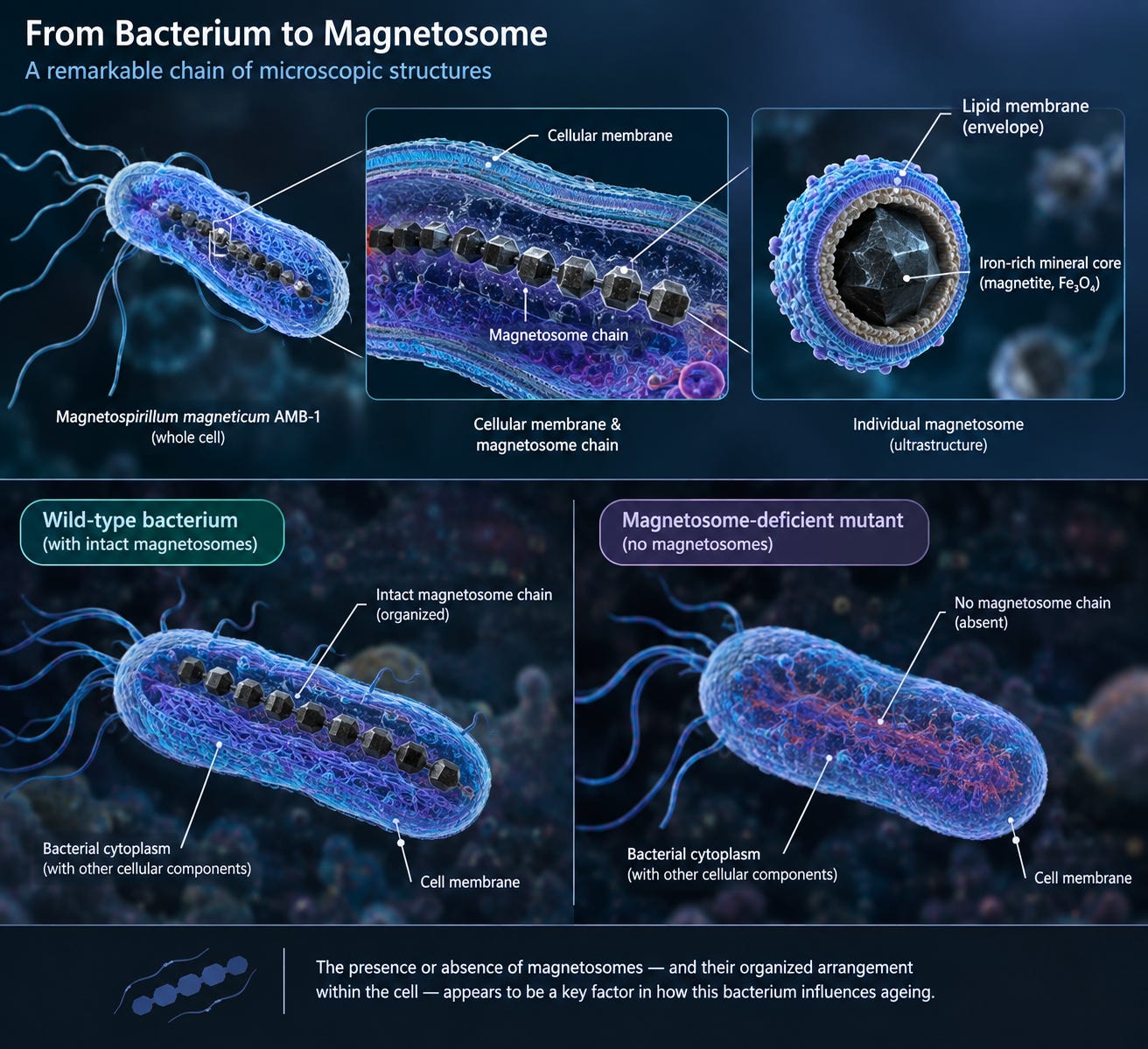
Magnetotactic bacteria, such as Magnetospirillum magneticum AMB-1, synthesize intracellular magnetic particles called magnetosomes, enabling them to orient along Earth’s magnetic field lines. These magnetosomes consist primarily of iron-rich mineral crystals enveloped by lipid membranes. While magnetotactic bacteria have been primarily studied for their roles in environmental microbiology and their potential for targeted drug delivery, recent findings suggest their biological influence may extend far beyond navigation.
Prolonged Lifespan in Caenorhabditis elegans Exposed to Magnetic Bacteria
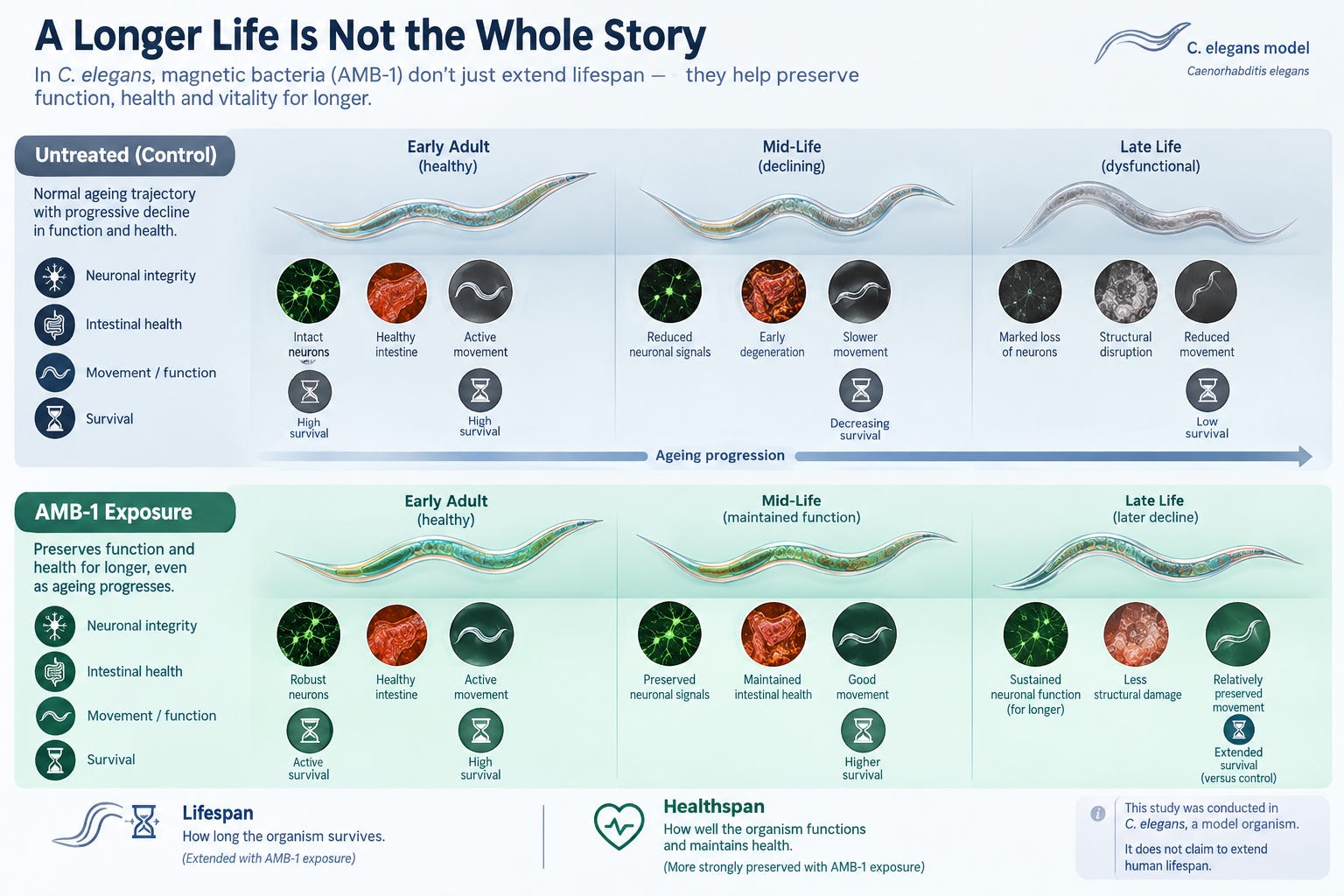
A study conducted by researchers at the Chinese Academy of Sciences demonstrated that treating C. elegans with Magnetospirillum magneticum AMB-1 extended the worms’ average lifespan by approximately 43%. More than an increase in survival time, the treated worms exhibited preserved neurological function and maintained intestinal health during ageing metrics that align more closely with sustained healthspan rather than mere lifespan extension.
Such results were significant given that C. elegans serves as a valuable model due to its well-characterized genetics, short lifespan and conserved molecular pathways relevant to human ageing. Yet, the mechanisms by which AMB-1 influences ageing were not immediately obvious, leading to further investigations targeting the role of iron metabolism and oxidative stress.
Iron Metabolism, Oxidative Damage and Ferroptosis: The Molecular Nexus
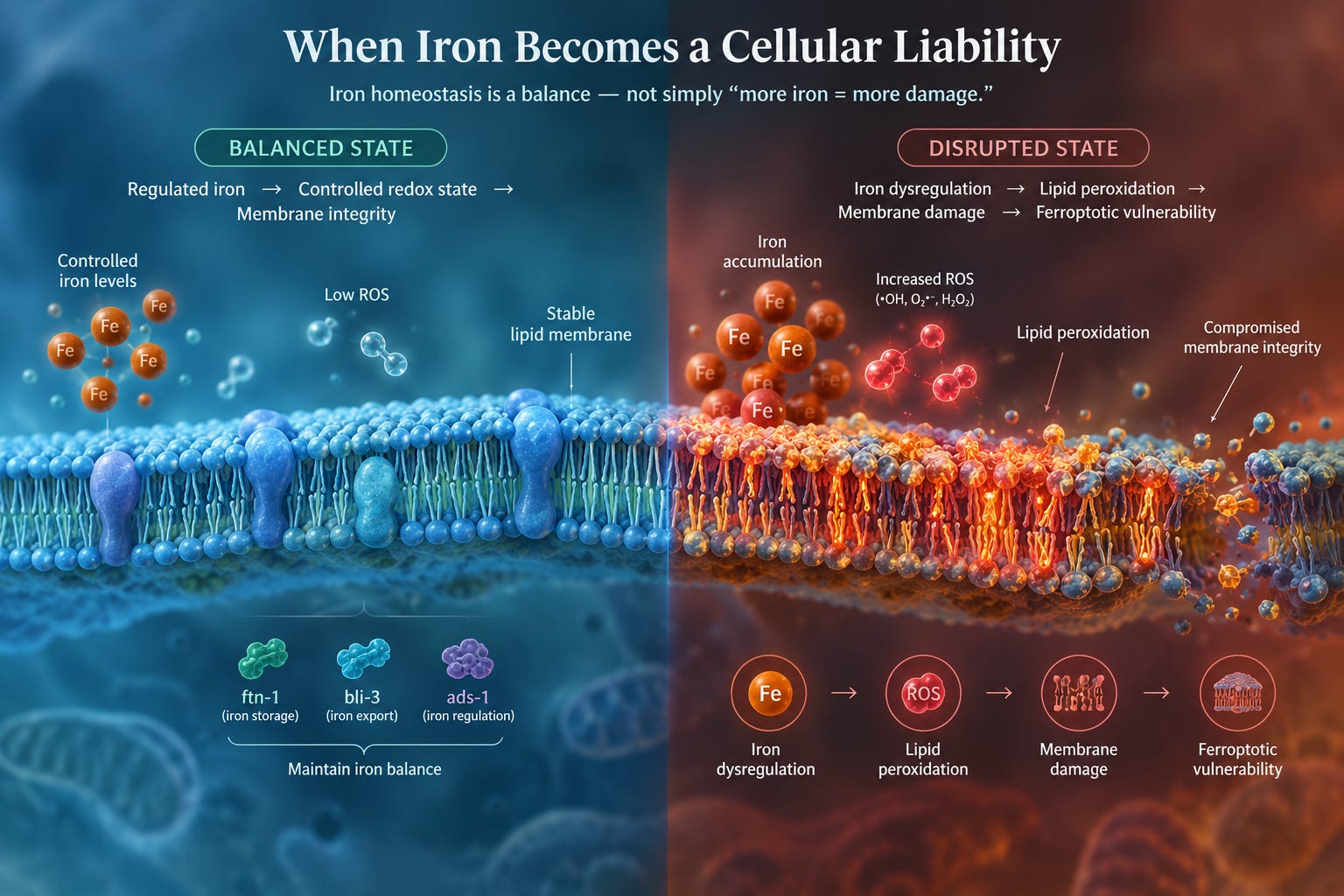
Iron is vital for numerous cellular functions including oxygen transport, DNA synthesis and energy metabolism. However, dysregulated iron homeostasis can induce oxidative stress, particularly lipid peroxidation, undermining cellular integrity. This process is closely linked to ferroptosis a form of iron-dependent programmed cell death distinct from apoptosis or necrosis.
Ferroptosis has gained attention in ageing research due to its association with neurodegenerative diseases, cancer and inflammation. The study’s findings suggested that AMB-1 reduced iron accumulation and lipid peroxidation in treated worms, thereby potentially mitigating ferroptosis-induced cellular damage.
Genetic analyses further identified key ferroptosis-related genes, such as ftn-1 (encoding ferritin), bli-3 (NADPH oxidase-like) and ads-1 (alkylsphingosine phosphate lyase), as participants in the observed longevity effect. This implies that the bacteria may influence host iron regulation and oxidative stress pathways to confer cellular protection.
The Essential Role of Magnetosomes in Ageing Modulation
To parse the contribution of magnetosome production itself, the researchers compared wild-type AMB-1 strains with mutants deficient in magnetosome biosynthesis. Remarkably, lifespan extension effects corresponded strongly with the intact magnetic capabilities of the bacteria; magnetosome-defective strains failed to impart significant benefits.
This finding underscores a hypothesized mechanistic link between the magnetic structures and the modulation of host physiology, possibly through alterations in iron sequestration or signaling pathways. Although the precise biophysical interactions remain to be characterized, the distinct role of magnetosomes suggests an innovative microbial strategy for influencing ageing biology.
Implications for Human Ageing and Therapeutic Development
Direct translation from C. elegans to humans requires cautious interpretation; the hugely complex human physiology and longevity pathways pose significant challenges. Nonetheless, insights from magnetotactic bacteria offer a paradigm shift the microbiome or microbial products can interact with and potentially reprogram host cell death pathways like ferroptosis.
This perspective aligns with a growing body of research investigating the interplay between microbes, iron metabolism and ageing. Such microbial interventions may serve as adjuncts or inspirations for developing therapies targeting iron-related oxidative damage, a hallmark of many age-associated diseases including Alzheimer’s, Parkinson’s and certain cancers.
The Role of AI and Computational Approaches in Deciphering Complex Ageing Phenomena
Understanding the multi-level interactions between bacteria, iron metabolism, oxidative stress and ageing pathways necessitates advanced computational methods. AI-driven molecular modeling, multi-omics integration and systems biology simulations can identify key molecular targets and predict host-microbe interaction outcomes with unprecedented precision.
Medvolt employs a suite of AI-enabled platforms to accelerate drug discovery and biochemical research, utilizing fragment-based design, free energy perturbation (FEP) simulations and cheminformatics to explore novel biological phenomena such as those observed with magnetotactic bacteria. By integrating microbiomic, genomic and proteomic datasets, Medvolt can model ferroptosis-related pathways and their modulation by bacterial factors, providing a roadmap for the rational design of anti-ageing agents.
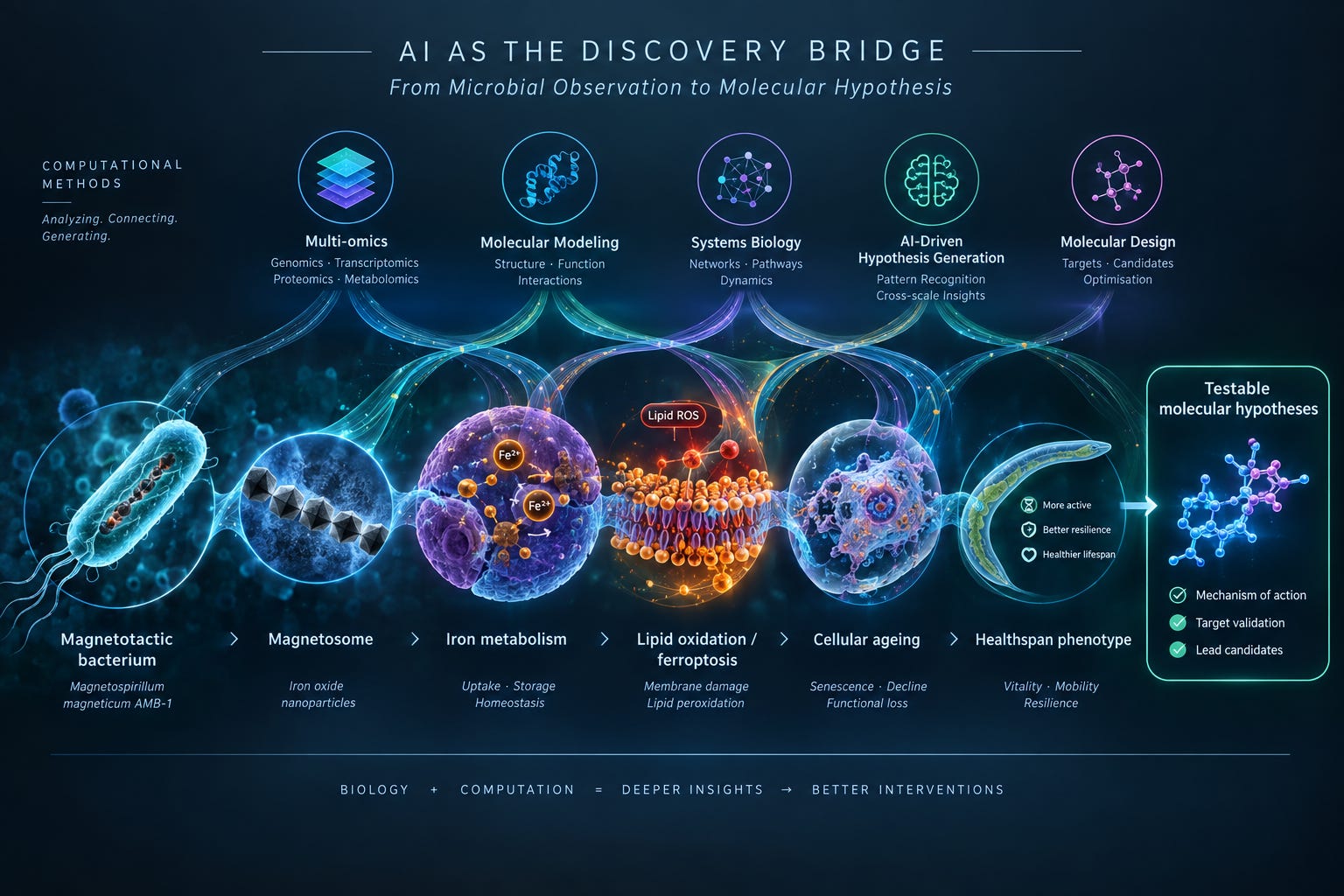
Expanding this research requires multidisciplinary efforts combining microbiology, molecular biology, materials science and computational chemistry. Key future goals include:
- Elucidating the molecular mechanisms by which magnetosomes influence cellular iron regulation and oxidative damage.
- Assessing whether microbial influence on ferroptosis pathways can be recapitulated in mammalian models.
- Developing synthetic biology tools to engineer magnetotactic bacteria or their components for therapeutic applications.
- Leveraging AI-driven predictive models to identify candidate molecules that mimic or augment bacterial effects.
Conclusion
The discovery that magnetic bacteria can extend lifespan and improve health markers in C. elegans reveals an uncharted microbial avenue in aging biology. These findings underscore the importance of iron homeostasis and ferroptosis in longevity and suggest microbial factors as potential modulators of these pathways.
While clinical applications for humans remain speculative, the convergence of microbiology and AI-driven research platforms exemplified by organizations like Medvolt holds promise for unravelling the complexities of ageing. By harnessing sophisticated molecular modeling and data-driven exploration, biotech innovators can accelerate the identification of novel therapeutics targeting the fundamental biology of ageing and age-related diseases.
This research spotlights the vast potential residing in microbial-host interactions and encourages a broadened perspective on anti-ageing intervention strategies that integrate biotechnology and computational science.

