Novo Nordisk and OpenAI: Revolutionizing Pharma with AI from Discovery to Supply Chain
Novo Nordisk and OpenAI signal a new era in pharma by applying AI across discovery, manufacturing, supply chains, and workforce transformation.
A New Era in Pharmaceuticals: AI Across the Value Chain
The growing influence of artificial intelligence (AI) in the pharmaceutical industry is unmistakable, with recent partnerships underscoring its transformative potential. Novo Nordisk, a global leader in diabetes and chronic disease management, has entered an ambitious collaboration with OpenAI. Together, they aim to embed AI into the pharmaceutical value chain—from drug discovery to manufacturing and supply chain management. This strategic alignment signals a paradigm shift in how leading biopharma companies harness AI to accelerate innovation and streamline operations.
This article examines the scientific and technological facets of this collaboration, emphasizing the broader implications for the industry and aligning with the growing prominence of AI-driven tools in R&D and logistics.
The Crux of the Partnership: AI Meets Biopharma
Novo Nordisk’s partnership with OpenAI is unique because of its breadth and depth. More than just a pilot project, it presents a blueprint for integrating AI systematically across research, development, and commercial infrastructure. The overarching goal is to address long-standing challenges in drug discovery, optimize logistics, and transform operational processes.

Key applications being explored include:
- Discovery and Development: AI models capable of mining large-scale biological and clinical data to identify predictive biomarkers and novel drug targets. Modern foundation models, such as generative AI and programmatically curated biological ontologies, promise to accelerate preclinical research significantly.
- Manufacturing Optimization: Machine learning systems designed to streamline production processes, enhance batch yield predictions, and support real-time monitoring.
- Supply Chain and Distribution: Smart algorithms for demand forecasting, resource allocation, and anticipating delays across interconnected global networks.
Novo Nordisk and OpenAI aim to leverage insights that are inaccessible through traditional processes. By combining generative pre-trained transformer models and life science-specific data architectures, the companies hope to not only reduce the time-to-market for new therapies but also reduce costs associated with inefficiencies.
AI in Early Research: Foundation Models in Drug Discovery
In drug discovery, AI addresses one of the most difficult bottlenecks: making sense of vast, complex datasets. Novo Nordisk’s focus on early target identification and hypothesis generation aligns with growing trends in leveraging multi-omics data and machine learning-guided analysis, areas where companies such as Medvolt specialize.
Specifically, AI-driven workflows in discovery could lead to:
- Proteome-Wide Analysis: AI tools trained on proteomics and transcriptomics datasets can rapidly identify druggable proteins, uncover allosteric sites, and predict protein-ligand interactions, all of which are pivotal in target validation.
- Data-Driven Mechanistic Insights: By integrating public bioinformatics repositories with proprietary experimental datasets, AI platforms are enabling researchers to propose mechanisms of action for complex diseases.
- Accelerating Lead Optimization: Tools such as structure-based drug design (SBDD), free energy perturbation (FEP) simulations, and AI-assisted fragment-based screening allow researchers to predict ligand binding with unprecedented efficiency.
Through this partnership, Novo Nordisk and OpenAI aim to scale these capabilities, leveraging AI to expand the horizons of human knowledge in therapeutic science.
AI-Optimized Manufacturing: Smarter, Leaner Processes
Efficient manufacturing in pharma is constrained by process complexity, costly validation procedures, and long batch cycle times. Integrating AI introduces the potential for predictive analytics and real-world monitoring to refine these processes.
For example:
- Dynamic Process Control: Machine learning systems can monitor variables such as pH, temperature, and flow rates in bioreactors and recommend real-time adjustments.
- Minimizing Downtime: Predictive maintenance algorithms can forecast equipment malfunctions and optimize preventive strategies, reducing downtime and increasing throughput.
- Yield Prediction Models: AI can use historical data to predict the success rate of upcoming batches and troubleshoot potential issues in advance.
These tools have the potential to reduce waste, improve consistency in drug quality, and lower production costs, paving the way for scalable solutions as global demand for complex biologics grows.
Supply Chain Reinvention via AI
Pharmaceutical supply chains are notoriously intricate, involving strict regulatory oversight, variable demand, and geographically distributed stakeholders. The Novo Nordisk-OpenAI partnership includes applying AI to eliminate inefficiencies and enhance resilience in this domain.
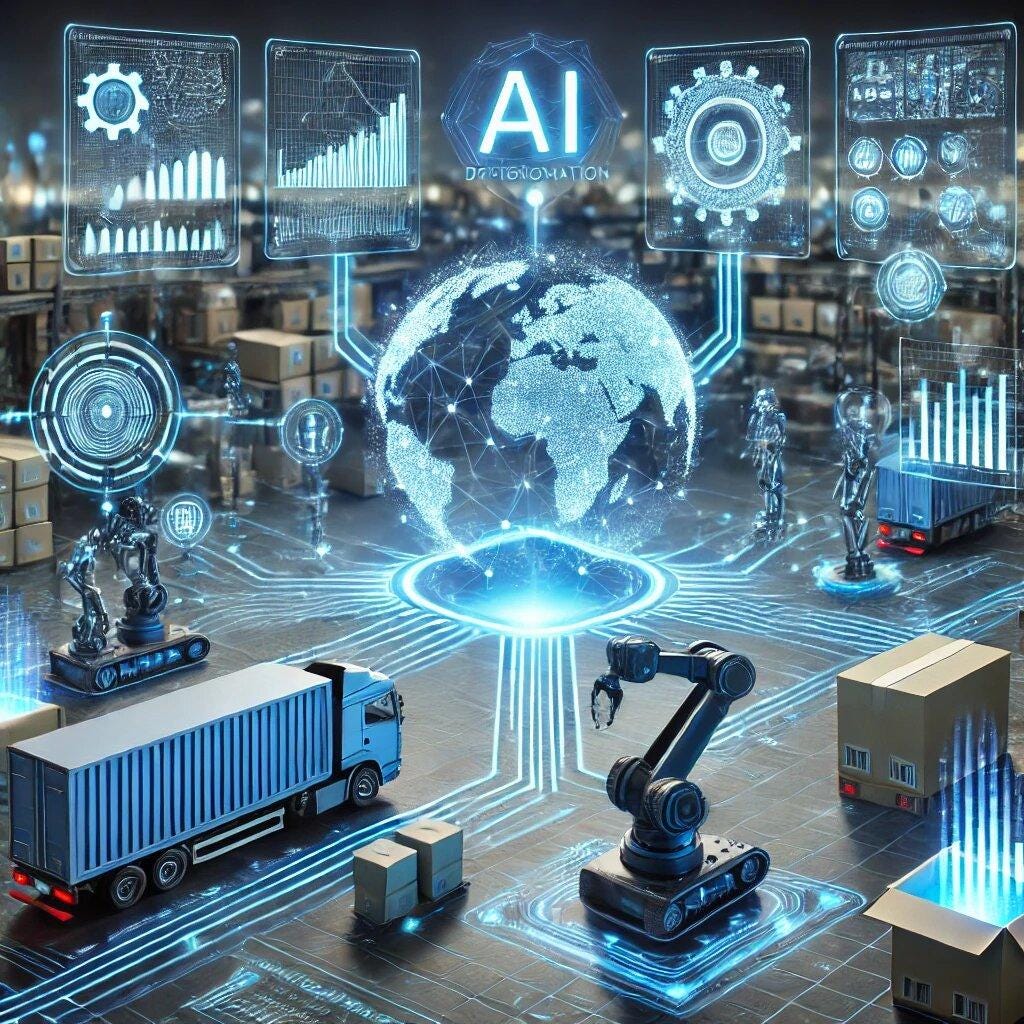
Relevant use cases involve:
- Demand Forecasting: AI models can blend epidemiological data with real-time consumer behavior to predict drug demand, reducing overstock and shortages.
- Cold Chain Optimization: For temperature-sensitive biologics, AI can help select the most reliable logistics path to minimize spoilage during transit.
- Risk Mitigation: Incorporating weather data, geopolitical developments, and shipping constraints, AI forecasts can create alternative pathways to ensure timely delivery.
Investments in these capabilities reflect a larger industry trend toward digitized supply chains. This paradigm supports faster delivery of life-saving treatments and reinforces public confidence in drug availability.
Workforce Transformation
Perhaps as impactful as the technological innovations themselves is the aspect of workforce transformation. OpenAI will reportedly assist Novo Nordisk with comprehensive AI literacy programs aimed at fostering a more tech-driven workforce. This includes training research personnel to interpret AI-generated insights and equipping operational teams to maximize automation’s potential.
Building internal expertise not only accelerates adoption but also empowers teams to iterate on AI tools to suit their workflows better. This shift resembles what companies like Medvolt advocate for—a holistic integration of human intelligence with AI-driven platforms to achieve optimal decision-making in life sciences.
Ethical AI Deployment in Pharma
The adoption of AI in sensitive areas like healthcare and biotechnology necessitates rigorous governance structures. Both Novo Nordisk and OpenAI have emphasized their commitment to adhering to robust oversight protocols, including:
- Data Protection Standards: Ensuring patient confidentiality and compliance with GDPR, HIPAA, and similar data protection regulations.
- Bias Mitigation: Identifying and addressing systemic biases in AI training datasets to promote equitable outcomes.
- Human Oversight: Incorporating domain experts throughout the lifecycle of AI deployment to validate generated insights and maintain accountability.
These governance practices set a standard for other collaborations in this evolving space, establishing trust among stakeholders while advancing innovation responsibly.
What This Means for Pharma’s Future
The convergence of AI and biopharma signals a broader industry transformation. By leveraging foundational capabilities like deep learning, neural-symbolic systems, and generative modeling, early adopters such as Novo Nordisk gain a competitive edge. Projects like this one position AI not as a mere tool but as a strategic enabler, aligning with global healthcare priorities to deliver personalized, efficient, and accessible solutions.

For companies like Medvolt, the implications are profound. AI isn’t only reframing how life sciences tackle persistent inefficiencies; it’s also creating entirely new investigative paradigms. By combining expertise in computational drug discovery, enzyme engineering, and systems biology, companies at the forefront can enhance the scalability and accessibility of next-generation therapies, catalyzing industry-wide progress.
Final Thoughts
Novo Nordisk and OpenAI’s collaboration is a significant milestone in the pharmaceutical industry’s journey toward an AI-centered future. From accelerating drug discovery to transforming supply chains, the partnership exemplifies how advanced technologies can solve real-world challenges across the biopharma pipeline. As AI matures, organizations that integrate it strategically—via modular, scalable, and ethically guided frameworks—will set the agenda for decades of healthcare innovation to come.
Medvolt, with its AI-driven contributions to R&D, stands poised to meet this moment, enabling deeper scientific insights, faster product cycles, and greater operational resilience. An era of intelligent pharmaceutical innovation awaits.