


How Novo Nordisk’s Partnership with Anthropic Accelerates Drug Discovery Using Claude AI Models
Explore how Novo Nordisk and Anthropic are leveraging Claude AI models to accelerate drug discovery, enhance scientific reasoning, and transform pharmaceutical R&D.
In the rapidly evolving landscape of pharmaceutical research and development, artificial intelligence (AI) has become a pivotal tool for accelerating the discovery and optimization of new therapeutics. A recent collaboration between Novo Nordisk, a global leader in diabetes care and metabolic disorders and Anthropic, a pioneering AI research company, exemplifies the growing integration of advanced AI models into drug discovery pipelines. This partnership highlights opportunities to harness AI not only for automating routine tasks but also for deepening scientific understanding of human biology and drug mechanisms a direction that aligns closely with Medvolt’s own philosophy and expertise in AI-driven biotechnology.
The Role of AI in Modern Drug Discovery
Traditionally, drug discovery has been a labor-intensive, costly and time-consuming process. From initial target identification to lead optimization, experimental validation and clinical trials, the journey can span over a decade with significant attrition rates. Computational approaches including molecular docking, free energy perturbation (FEP) simulations, multi-omics data integration and fragment-based drug design have transformed various stages of this pipeline. However, the advent of large language models (LLMs) specialized for scientific content adds a new dimension to accelerate hypothesis generation, experimental design and knowledge synthesis.
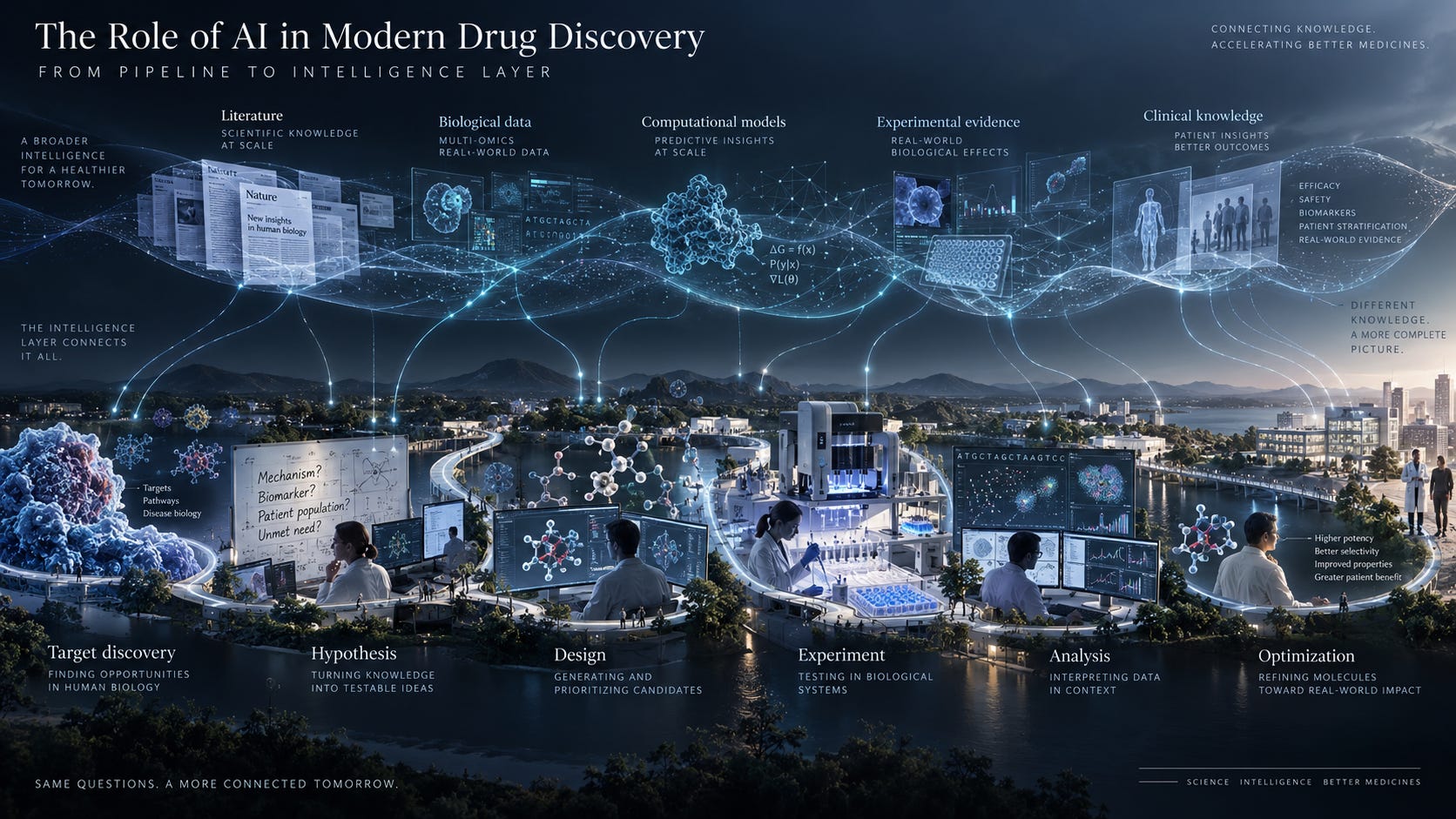
Novo Nordisk’s integration of Anthropic’s Claude models into their research workflows serves as a practical example of how frontier AI technology can amplify R&D productivity. These models extend beyond traditional natural language processing capabilities by enabling complex reasoning, hypothesis formulation and contextual understanding of biochemical and clinical datasets.
Claude AI Models: A New Paradigm for Scientific Research
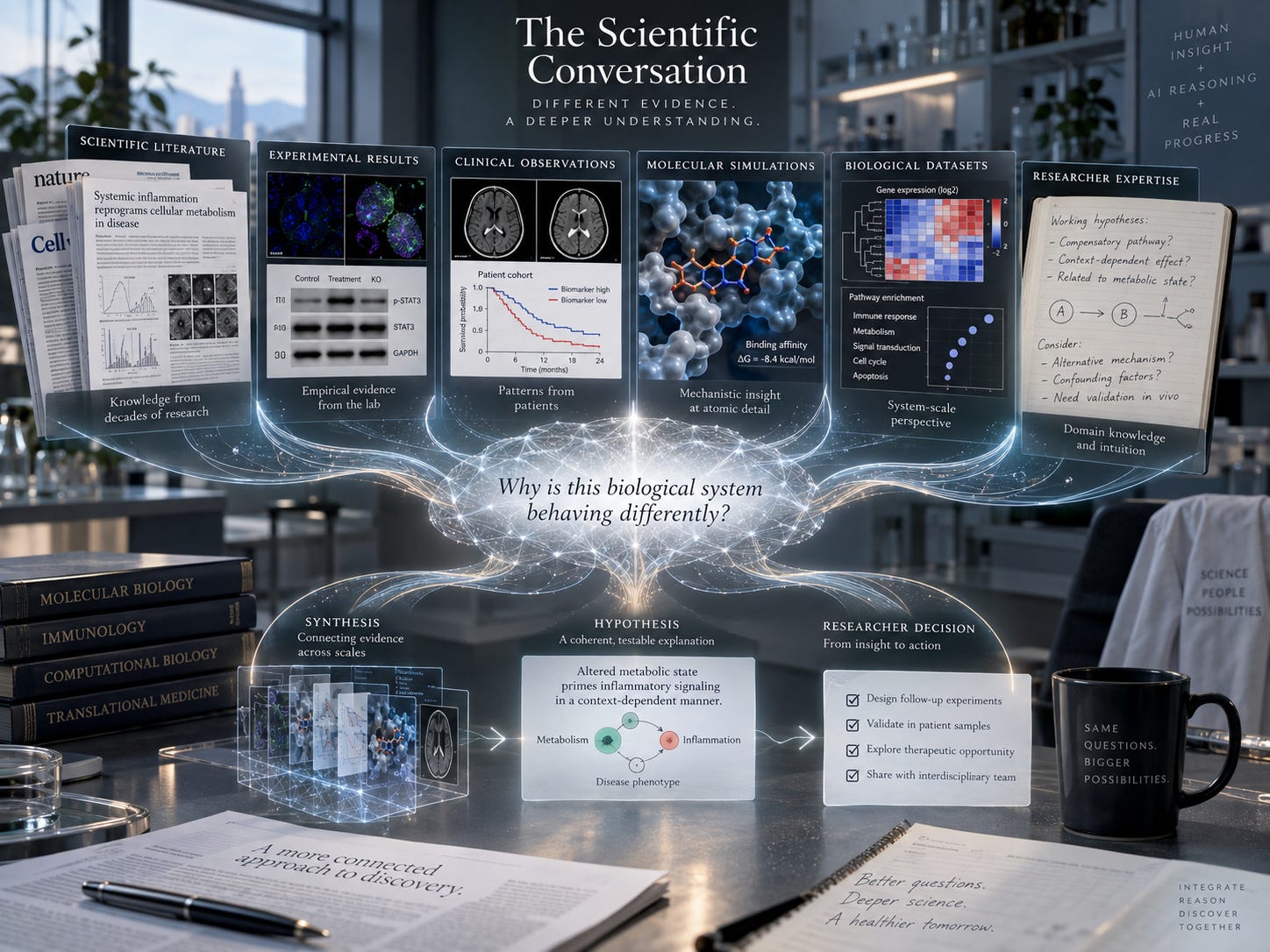
Anthropic’s Claude models are designed as ‘assistant’ AI systems with an emphasis on safety, transparency and robust performance in domain-specific tasks. For Novo Nordisk, this means leveraging Claude’s ability to parse vast scientific literature, integrate heterogeneous data types and automate documentation processes each critical to speeding up drug development.
For instance, the automation of clinical trial report generation, which conventionally takes months, can be expedited to minutes, freeing researchers to focus on experimental design and interpretation. Moreover, Claude models facilitate effective communication between computational scientists and bench researchers by translating complex simulation outputs into actionable insights.
Medvolt’s Perspective: AI-Driven R&D Beyond Automation
Medvolt recognizes that while automating routine workflows is essential, the transformative potential of AI lies in its ability to generate new scientific knowledge and innovate drug discovery methodologies. Medvolt’s AI-driven platforms incorporate advanced molecular modeling techniques, including FEP simulations and AI-augmented enzyme engineering, to accelerate lead optimization and improve predictive accuracy.
The Novo-Anthropic collaboration resonates with Medvolt’s approach to integrating multi-omics datasets with AI reasoning frameworks. By embedding domain knowledge within large AI models, researchers can uncover novel biological targets and mechanistic pathways with higher confidence.
Addressing Scientific Challenges with AI-Enhanced Collaboration
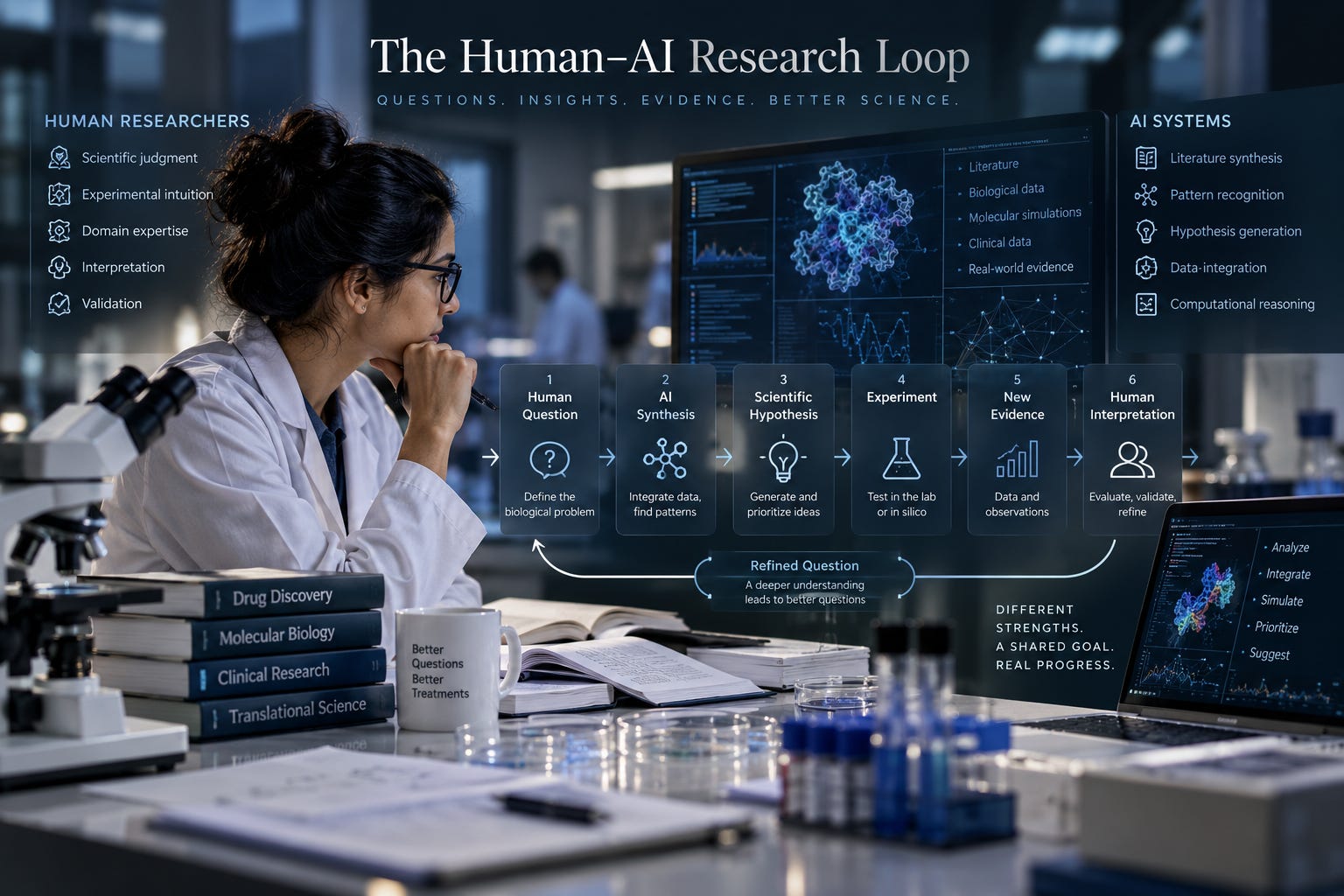
One of the notable ambitions of the Novo Nordisk–Anthropic partnership is identifying scientific problems where AI can have the highest impact. This may include complex disease biology, polypharmacology prediction or elucidating drug resistance mechanisms. Claude’s reasoning abilities enable an iterative dialogue between humans and machines, guiding experimental strategies that were previously impractical due to data complexity or scale.
Additionally, AI models like Claude offer enhanced trustworthiness and interpretability a vital consideration in regulated environments such as pharmaceutical R&D. This trust is underscored by an emphasis on model safety and ethical AI deployment, reflecting industry-wide concerns about responsible innovation.
The Broader Industry Implications
This collaboration signals an increasing trend among pharmaceutical companies to partner with AI innovators, integrating frontier models into their core R&D activities. The goal is not simply to accelerate discovery timelines but to improve the probability of clinical success and deliver medicines that meaningfully improve patient outcomes.
Medvolt’s expertise in computational chemistry and AI-driven platform development positions it well within this broader ecosystem. Drawing from multi-disciplinary insights, Medvolt develops frameworks that support hypothesis-driven, data-centric research while maintaining scientific rigor and reproducibility.
Conclusion
The partnership between Novo Nordisk and Anthropic illustrates how AI technologies like Claude can augment traditional drug discovery workflows, providing both operational efficiencies and novel scientific insights. For companies striving to innovate in biotechnology and pharmaceutical R&D, the integration of safe, capable and domain-aware AI systems offers a compelling path forward.
Medvolt’s approach mirrors this vision by combining AI-driven molecular design, enzyme engineering and knowledge curation to empower researchers tackling complex biomedical challenges. As AI continues to mature, collaborations at the intersection of life sciences and AI research will be instrumental in shaping the future of medicine.

