


PerturbAI and OpenAI Introduce AI Reasoning Agents to Accelerate Biomedical Discovery at Scale
Explore how PerturbAI and OpenAI are using multi-agent AI reasoning to accelerate genomic data analysis, biological hypothesis generation, and drug target discovery.
The rapid acceleration of data generation in the biomedical sciences has long outpaced traditional methods of interpretation, creating a bottleneck in translating experimental insights into actionable discoveries. Addressing this challenge, PerturbAI, an AI-native biotechnology company, in collaboration with OpenAI, recently unveiled a novel class of AI reasoning agents designed to bridge this critical gap. This partnership illustrates the emerging paradigm where expansive biological datasets are systematically decoded by scalable artificial intelligence frameworks, propelling the pace and precision of drug discovery.
Tackling the Interpretation Bottleneck in Biomedical Research
Industrial and academic laboratories are producing biological data at unprecedented volumes, from multi-omics profiling to high-throughput genetic perturbations. One formidable example is the generation of in vivo CRISPR-based genomic atlases that map gene-function relationships at cellular resolution across entire organs. While such datasets offer invaluable insights, their complexity and scale render conventional, sequential human-driven analysis impractical often taking months to years to integrate and reason about the data within the broader corpus of existing biological knowledge.
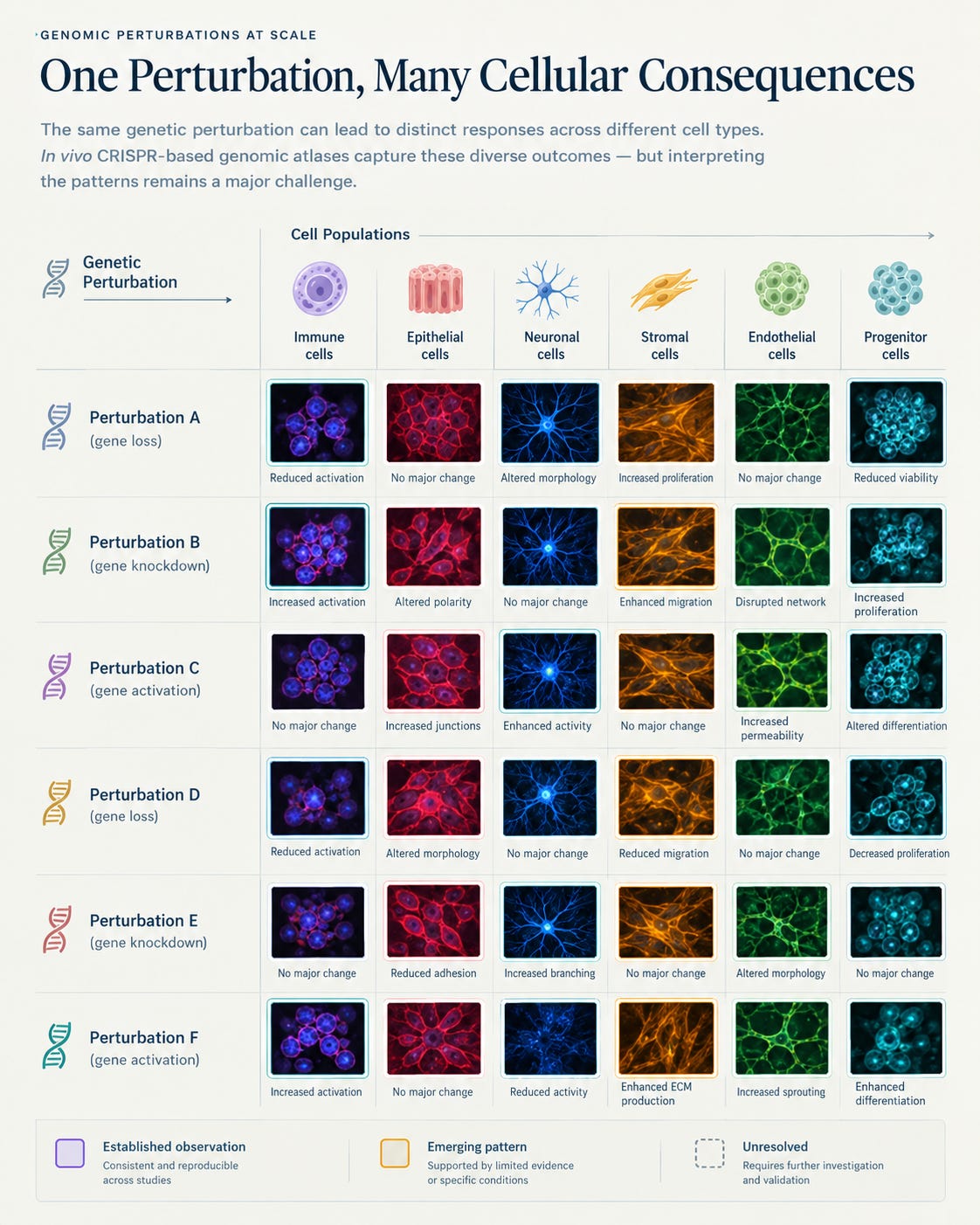
PerturbAI and OpenAI’s recently developed AI reasoning agents directly address this analytical bottleneck by employing thousands of dedicated AI agents operating in parallel. These agents are specialized to interpret experimental results, cross-reference findings with extensive scientific literature and formulate prioritized, testable biological hypotheses. The system effectively synthesizes vast amounts of raw experimental data with prior research to generate a cohesive reasoning atlas that links genes, cellular responses, biological pathways and mechanistic interpretations.
An Agentic Framework for Biological Discovery
The agentic system devised by PerturbAI and OpenAI operates as a distributed network of AI modules, each optimized for specific analytical tasks. Some agents focus on parsing genetic perturbation effects across diverse cell types, while others delve into mining and contextualizing published research to anchor novel findings within established scientific frameworks.
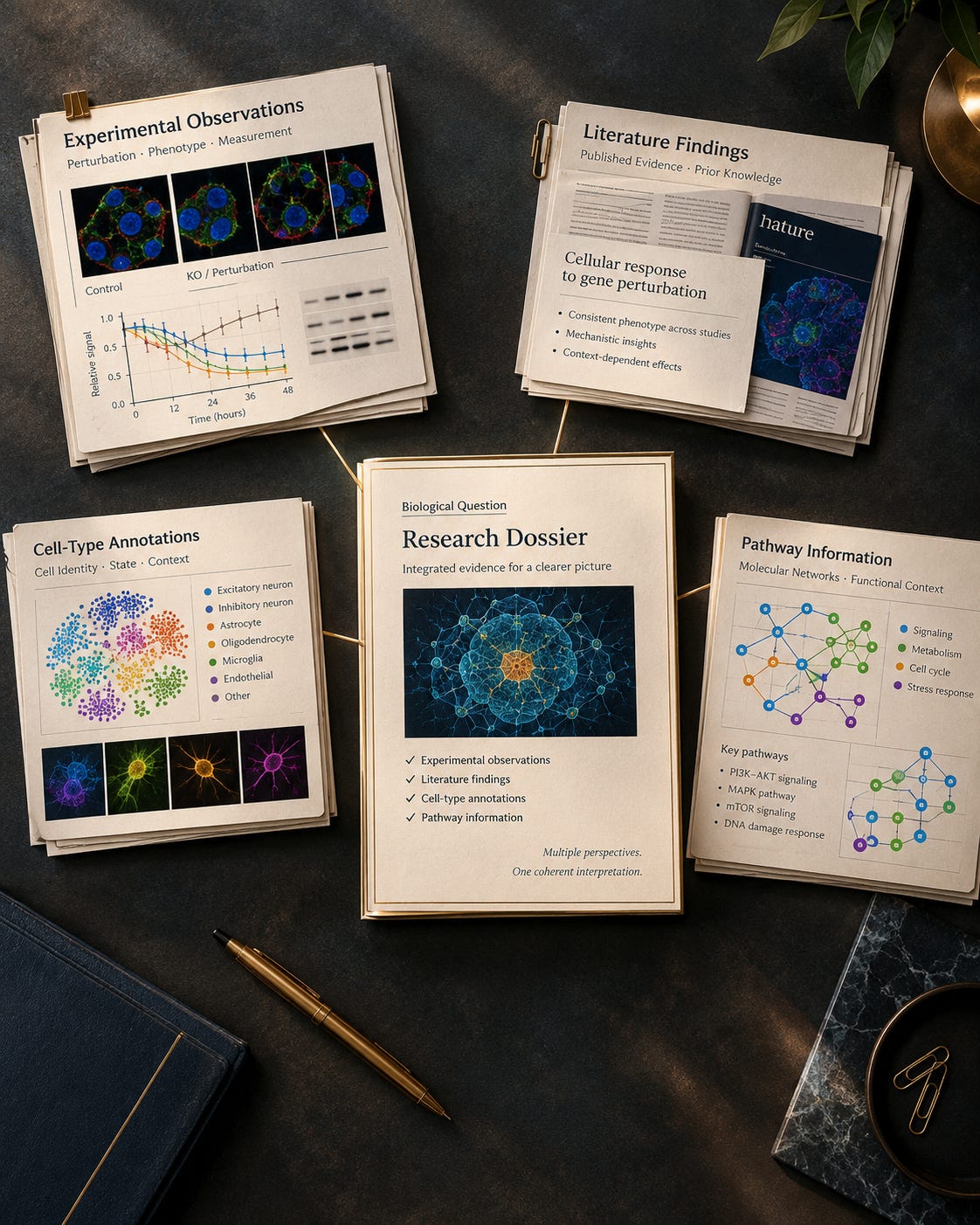
When applied to PerturbAI’s comprehensive whole-brain genomic dataset drawn from an 8-million-cell CRISPR atlas generated in living tissue the framework completed a sophisticated synthesis of data and literature in just 32 minutes. By contrast, a similar depth of analysis conducted manually could extend over many months, illustrating the transformative efficiency gains introduced by this approach.
The system’s output includes detailed evidence-linked hypotheses about gene functions and cellular mechanisms, highlighting potential drug targets and revealing new directions for experimental validation.
Validation and Biological Credibility
Human domain experts rigorously evaluated the reasoning agents’ outputs, comparing them to analyses produced by individual AI algorithms. The findings revealed a significant preference for the multi-agent interpretations, with experts favoring these integrated reports approximately 75% of the time based on criteria such as novelty, evidential robustness and prioritization for follow-up studies.

This external validation not only reinforces the biological credibility of the AI-generated insights but also demonstrates the capacity of such agentic systems to enhance the decision-making frameworks of biomedical researchers and drug developers.
From Data to Target Discovery
Beyond data interpretation, the partnership strategically focuses on leveraging causal biological datasets generated directly in live organisms to systematically identify viable drug targets. This contrasts with traditional target discovery paradigms that often rely on indirect association studies or serendipitous findings, which can lead to costly late-stage failures.
PerturbAI’s platform integrates causal genomics with AI-driven reasoning to rapidly produce high-confidence target candidates with defined mechanistic underpinnings. This helps de-risk drug discovery pipelines by prioritizing targets that are biologically validated within physiologically relevant contexts.
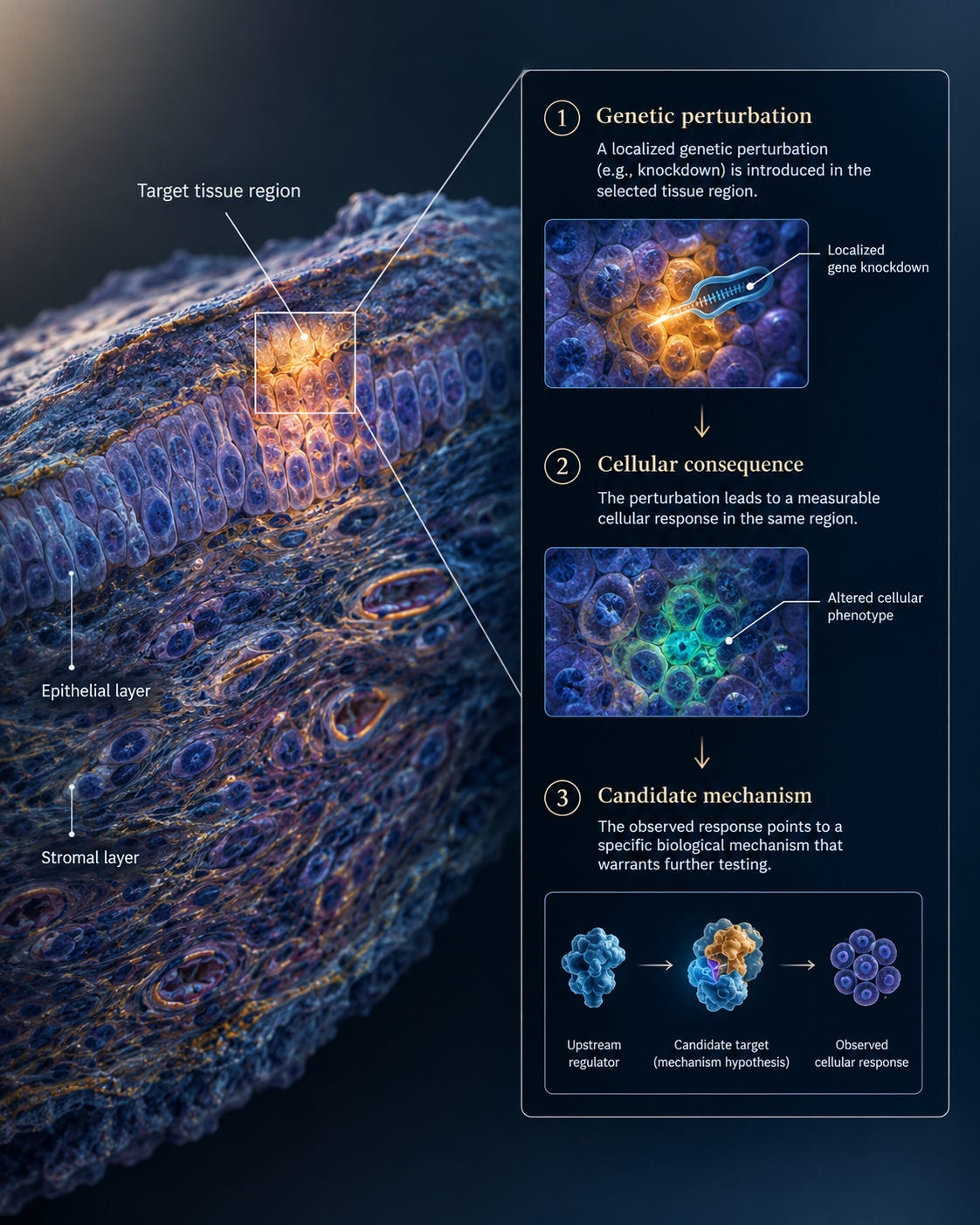
OpenAI’s contribution of advanced language and reasoning models enables the translation of multi-modal biological insights into coherent hypotheses, fostering a scalable and interpretable framework for target nomination.
Implications for AI-Driven Drug Discovery
The collaborative model exemplified by PerturbAI and OpenAI represents an important milestone in the fusion of biotechnology and AI. By seamlessly integrating large-scale in vivo experimental data with sophisticated reasoning architectures, such approaches promise to enhance both the throughput and depth of biomedical R&D.
Medvolt recognizes the significance of these advancements within AI-assisted drug discovery, computational enzyme engineering and automated knowledge curation. Implementing analogous agentic AI frameworks enables pharmaceutical and biotech innovators to markedly improve the efficiency of molecular modeling efforts, ranging from free energy perturbation (FEP) simulations to fragment-based drug design, thereby accelerating lead identification and optimization.
Moreover, the capacity of multi-agent systems to reconcile heterogeneous data modalities genomics, transcriptomics, proteomics and literature facilitates a more integrative understanding of complex disease mechanisms, supporting more precise patient stratification and therapeutic development strategies.
Future Directions and Strategic Synergies
Building on its foundational genomic atlases in neuroscience, PerturbAI continues to expand its discovery engine into other disease domains, including metabolic disorders and aging. The ability to create causal maps linking genetic perturbations to phenotypic consequences across multiple tissues creates a scalable platform for diverse biomedical applications.
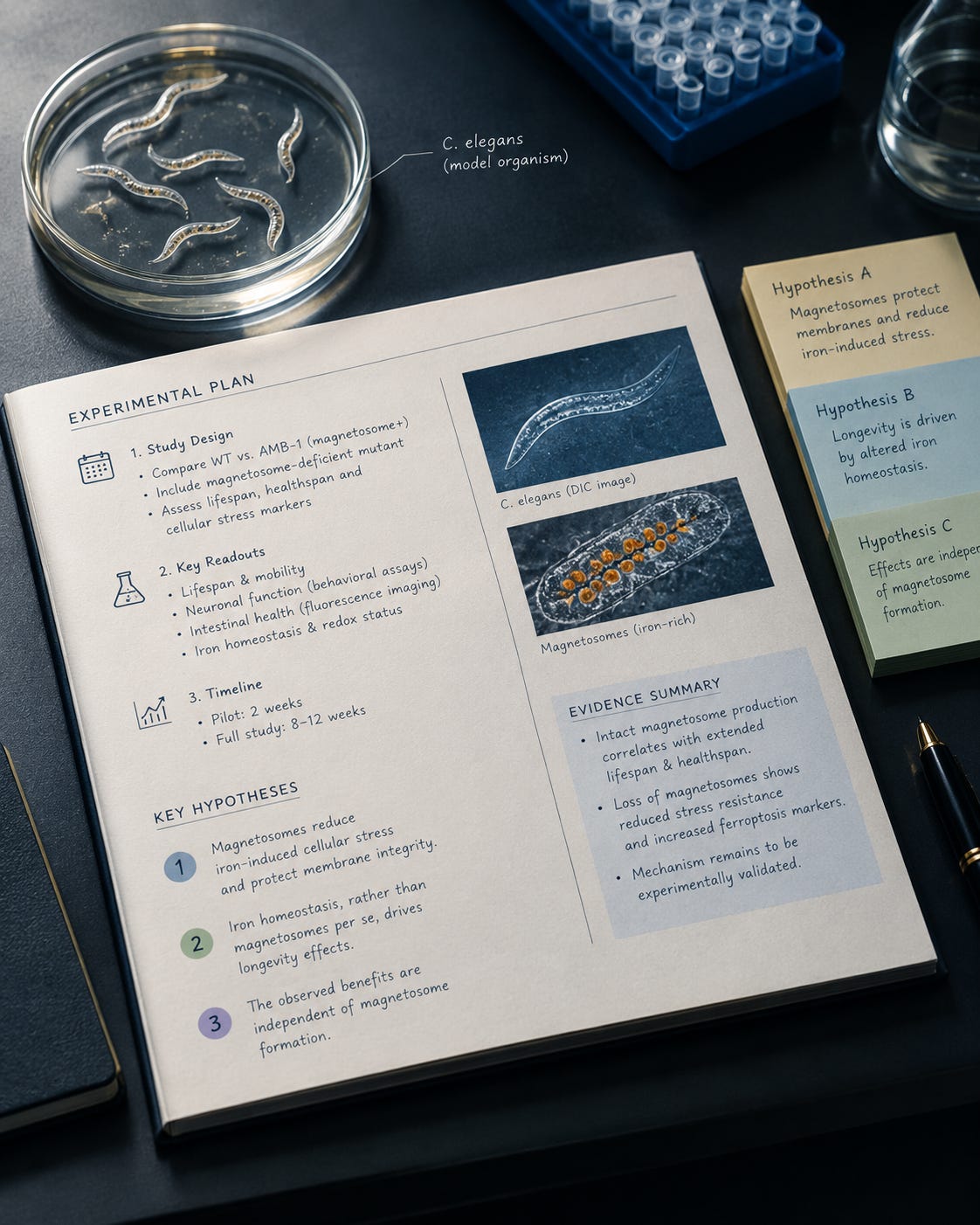
OpenAI’s ongoing enhancements of natural language understanding and reasoning capabilities will further refine these AI reasoning agents, improving their ability to generate mechanistically insightful hypotheses and prioritize experimental follow-ups.
Medvolt envisions that the next frontier in AI-driven biomedical innovation will be characterized by increasingly autonomous agentic systems that not only interpret data but also design and optimize experiments iteratively, integrating feedback loops that continuously enhance discovery precision.
Conclusion
The unveiling of AI reasoning agents by PerturbAI and OpenAI marks a compelling advancement toward overcoming the growing interpretative challenges posed by high-throughput biomedical data. By harnessing the power of thousands of AI agents working synchronously to connect experimental data with vast bodies of scientific knowledge, this innovative framework accelerates the translation of genomic and biological insights into validated drug targets.
For entities engaged in AI-assisted drug discovery, computational enzyme design and knowledge curation, the success of such approaches underscores the critical importance of scalable, interpretable AI integration alongside rigorous experimental platforms. As Medvolt continues to deliver AI-driven solutions that enhance drug discovery rigor and throughput, the broader life sciences ecosystem moves closer to realizing more systematic, data-driven and mechanistically informed therapeutic development.

