


Speakers Announced for Protein Sciences in Drug Discovery 2026 in Stevenage: Advancing AI-Driven Biotherapeutics
Explore how Protein Sciences in Drug Discovery 2026 in Stevenage highlights AI-driven protein engineering, computational chemistry, and biotherapeutic innovation.
The upcoming Protein Sciences in Drug Discovery 2026 conference in Stevenage has officially announced its distinguished roster of speakers, representing a pivotal gathering for advancing therapeutic innovation. As a landmark event, it will bring together leading researchers, industry experts and technology pioneers focused on protein science’s critical role in next-generation drug discovery.
This biennial conference has grown into a vital forum for addressing the scientific and technological challenges in protein therapeutics, enzyme engineering and biopharmaceutical development. With an emphasis on integrating AI-driven molecular modeling, fragment-based design and multi-omics data interpretation, the event highlights interdisciplinary strategies driving efficiency and precision in drug discovery pipelines.
Keynote Speakers: Bridging Biology and Computational Innovation
The speaker lineup features luminaries from top academic institutions and biotech companies renowned for their contributions to protein science. Presentations will cover recent breakthroughs in structural biology, computational chemistry and machine learning applications tailored to protein engineering. Attendees can expect deep dives into topics such as free energy perturbation (FEP) simulations for ligand affinity prediction, AI-enhanced protein folding models and rational design of biotherapeutics with improved pharmacokinetics.
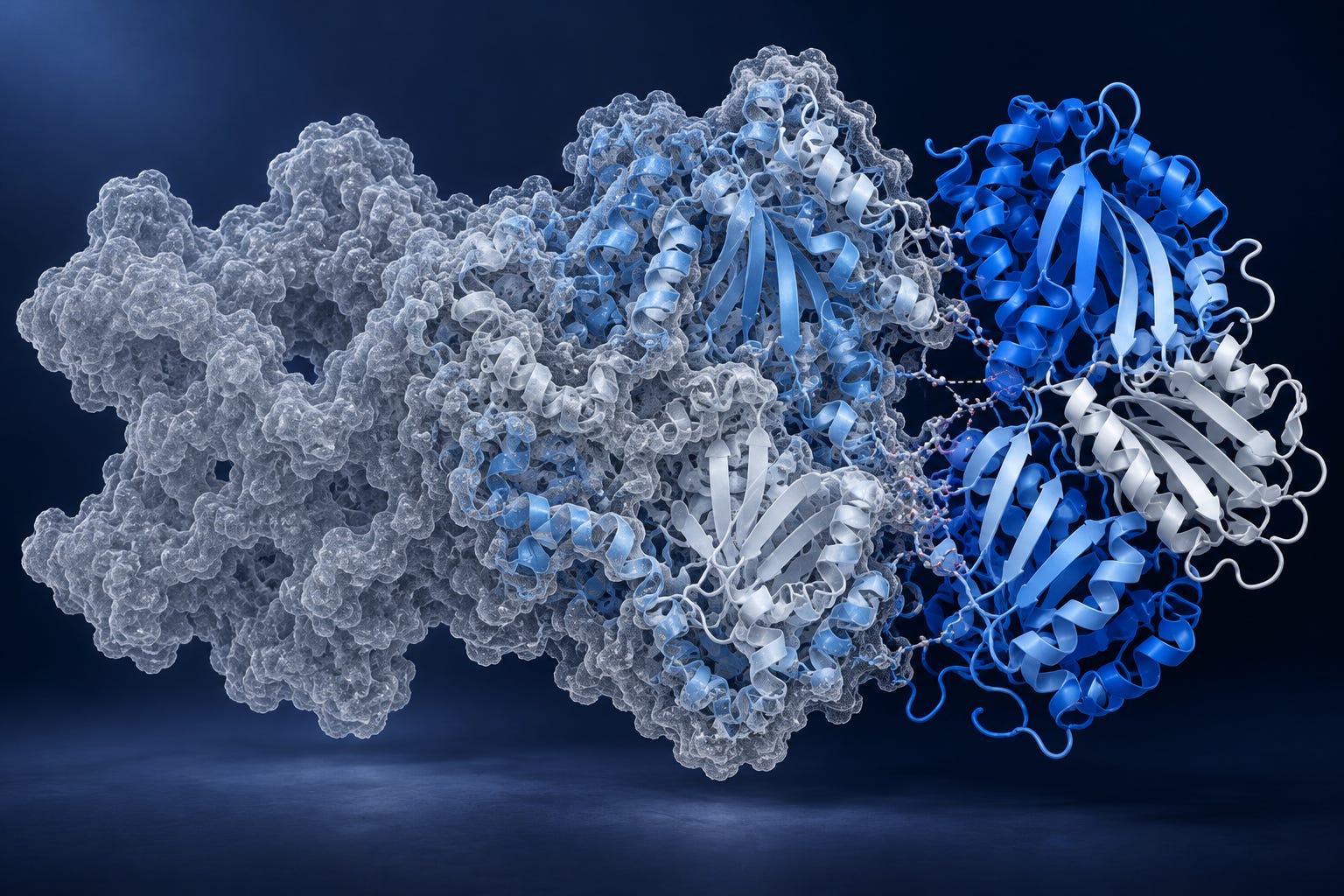
Among the keynote presenters are leaders specializing in leveraging high-resolution cryo-electron microscopy combined with AI algorithms to elucidate complex protein interaction networks. Their work underscores the synergy between computational tools and experimental validation that accelerates target identification and optimization.
Advancing AI-Driven Protein Engineering and Drug Discovery
Medvolt, recognized for its AI-assisted R&D platforms, aligns tightly with the themes of this conference. The integration of AI-driven knowledge curation frameworks enables biotech firms to overcome traditional bottlenecks in protein characterization and lead compound optimization. Techniques such as deep learning-guided protein design and multi-dimensional data integration are proving transformative in uncovering novel enzyme variants and biotherapeutic candidates.
The conference presentations will discuss algorithmic advances that enable structure-guided mutation predictions and stability engineering of protein drugs, reducing development timelines and enhancing candidate selection confidence. Moreover, these methods facilitate exploration of otherwise inaccessible chemical space for small-molecule binders, fragment elaboration and antibody-drug conjugate optimization.
Multi-Omics and Computational Chemistry: Enriching Therapeutic Discovery
Protein sciences in drug discovery increasingly depend on multi-omics data to capture dynamic biological contexts. Speakers will highlight computational frameworks that integrate genomics, transcriptomics and proteomics data with molecular simulations. This multi-layered approach enhances understanding of protein conformational landscapes, post-translational modifications and pathway interactions.
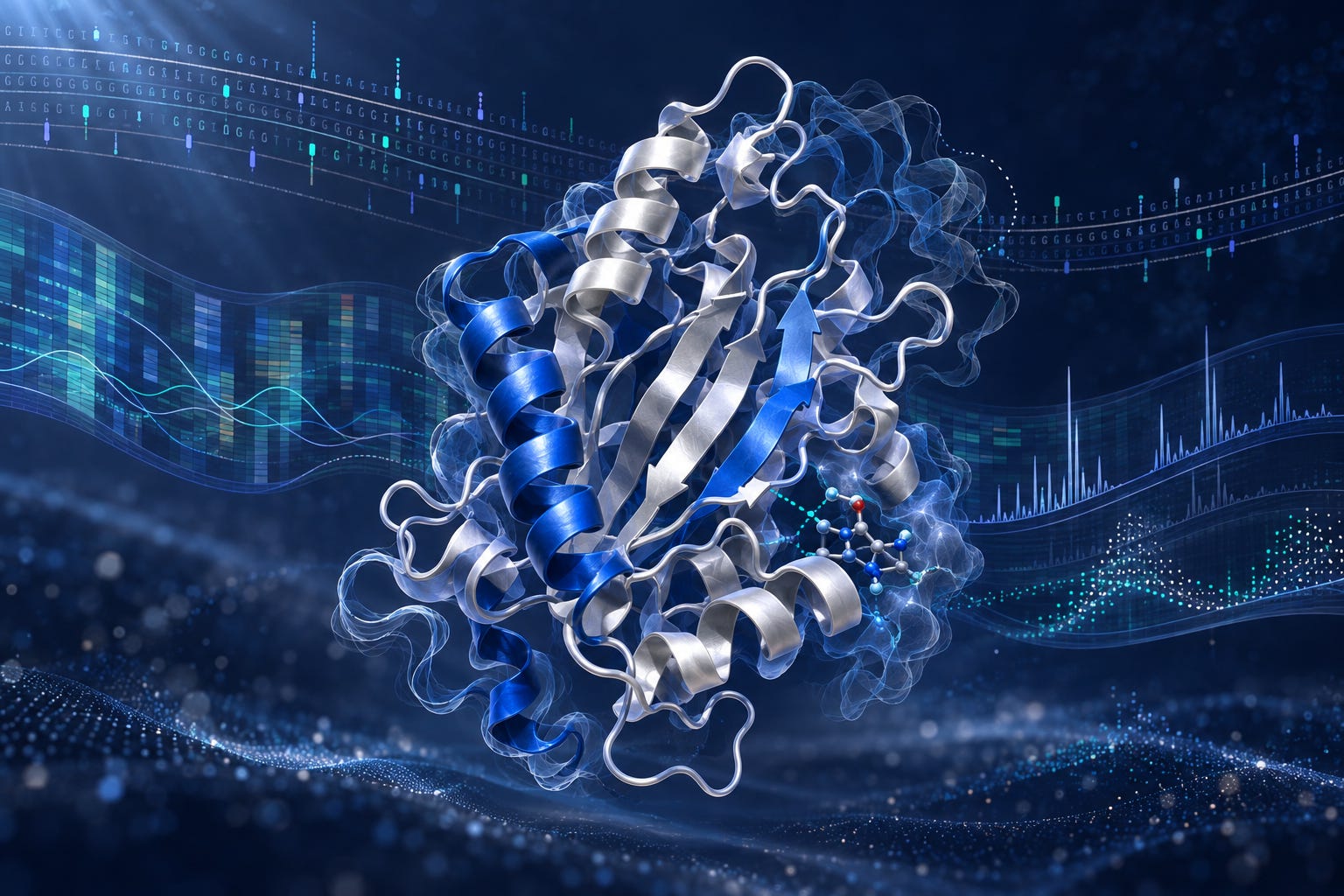
FEP simulations and molecular dynamics remain central to accurately predicting binding affinities and allosteric effects, informing rational drug design decisions. The dialogue between biophysicists and AI-methodologists fosters refinement of predictive models that balance accuracy with computational tractability, enabling robust lead optimization in silico.
Impact for Industry and Investors
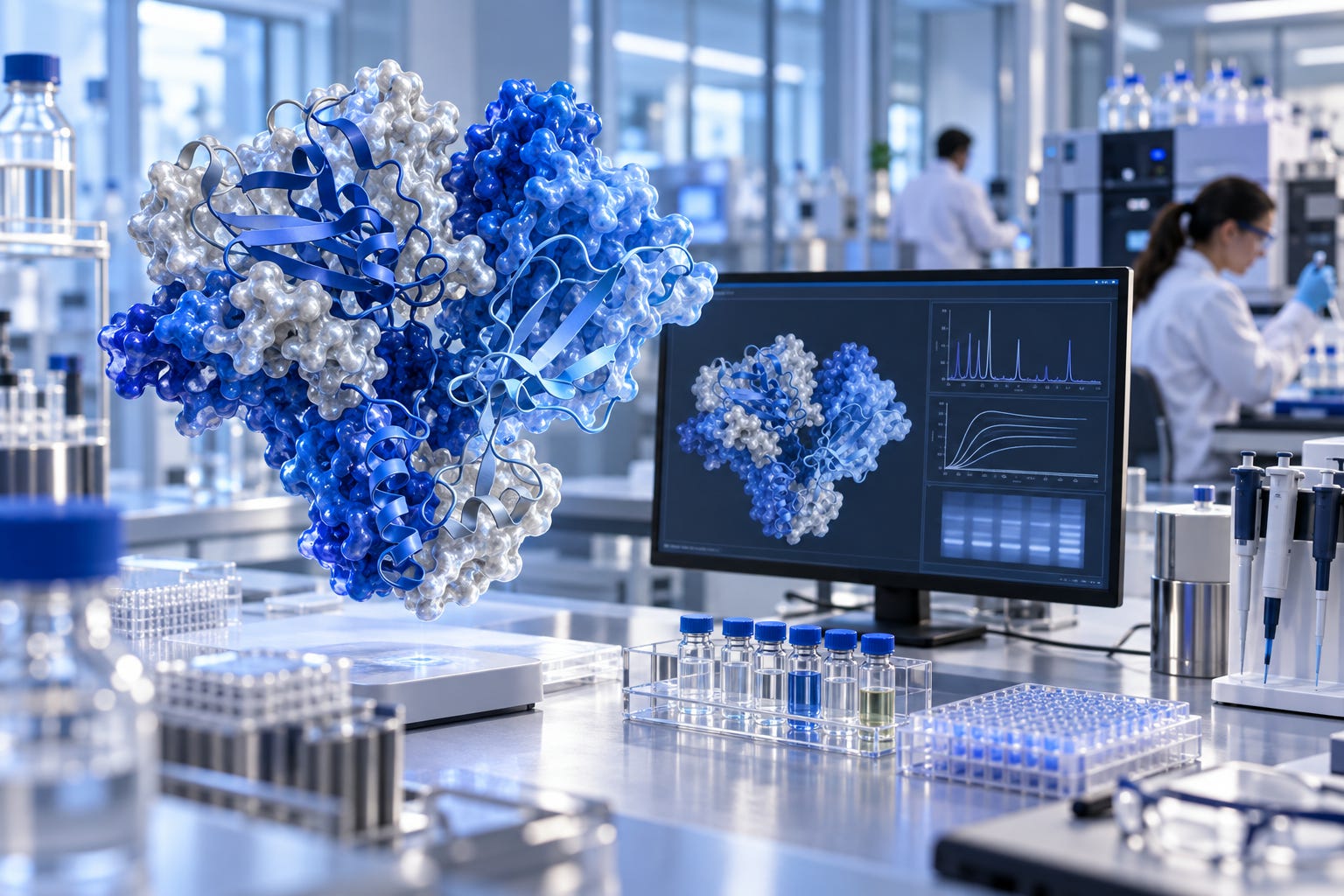
This conference presents significant value for biotech investors and industry strategists seeking to gauge the trajectory of protein sciences within drug discovery. The advancements discussed embody a shift toward data-integrated, AI-augmented pipelines that promise reduced attrition rates and cost-effective development of biologics and small molecules alike.
Understanding how to leverage these innovations is crucial for stakeholders aiming to remain competitive in a rapidly evolving landscape. The speakers’ insights will not only showcase scientific novelty but also practical applications, including scalable AI systems for enzyme engineering and knowledge management.
Conclusion
Protein Sciences in Drug Discovery 2026 represents a convergence of computational innovation and experimental rigor, poised to accelerate development of targeted protein therapeutics. The distinguished speaker roster exemplifies the multidisciplinary collaborations essential for translating protein science breakthroughs into impactful medicines.
For organizations like Medvolt, whose AI-driven platforms empower detailed molecular modeling and data curation, the conference underscores the growing importance of computational technologies in drug discovery. By engaging with such forums, Medvolt continues to position itself at the forefront of AI-assisted biotechnology, contributing to a future where drug discovery is faster, more precise and grounded in comprehensive protein science.

