


Synthetic Protein Targeting of TLR4 within Membranes: A Novel Strategy to Modulate Inflammation
Explore how AI-designed synthetic proteins targeting membrane-embedded TLR4 could offer a precise new strategy to modulate inflammation and treat chronic disease.
Inflammation is a fundamental biological response integral to host defense but, when dysregulated, can contribute to a wide array of chronic diseases including sepsis, autoimmune disorders and neurodegenerative conditions. Central to the initiation of many inflammatory pathways is Toll-like receptor 4 (TLR4), a pattern recognition receptor embedded in the cell membrane that detects bacterial lipopolysaccharide (LPS) and other danger signals. Therapeutic modulation of TLR4 signaling remains an area of intense research, given its pivotal role in innate immunity and its implication in pathological inflammation.
Recent advances have demonstrated the potential of synthetic proteins engineered to selectively target TLR4 within the lipid bilayer of membranes, effectively attenuating its activity and thereby curbing inflammatory responses. This approach diverges significantly from traditional small molecule or monoclonal antibody interventions by exploiting tailored protein designs that mimic or interfere with native receptor interactions at the membrane interface.
The Biological Significance of TLR4 in Inflammation
TLR4 is a transmembrane receptor predominantly expressed on immune cells such as macrophages and dendritic cells. Upon ligand binding, TLR4 undergoes conformational changes that trigger downstream signaling cascades, including the MyD88- and TRIF-dependent pathways, culminating in the activation of NF-κB and IRF3 transcription factors. These events stimulate the production of pro-inflammatory cytokines like TNF-α, IL-6 and interferons, orchestrating immune responses aimed at combating invading pathogens.
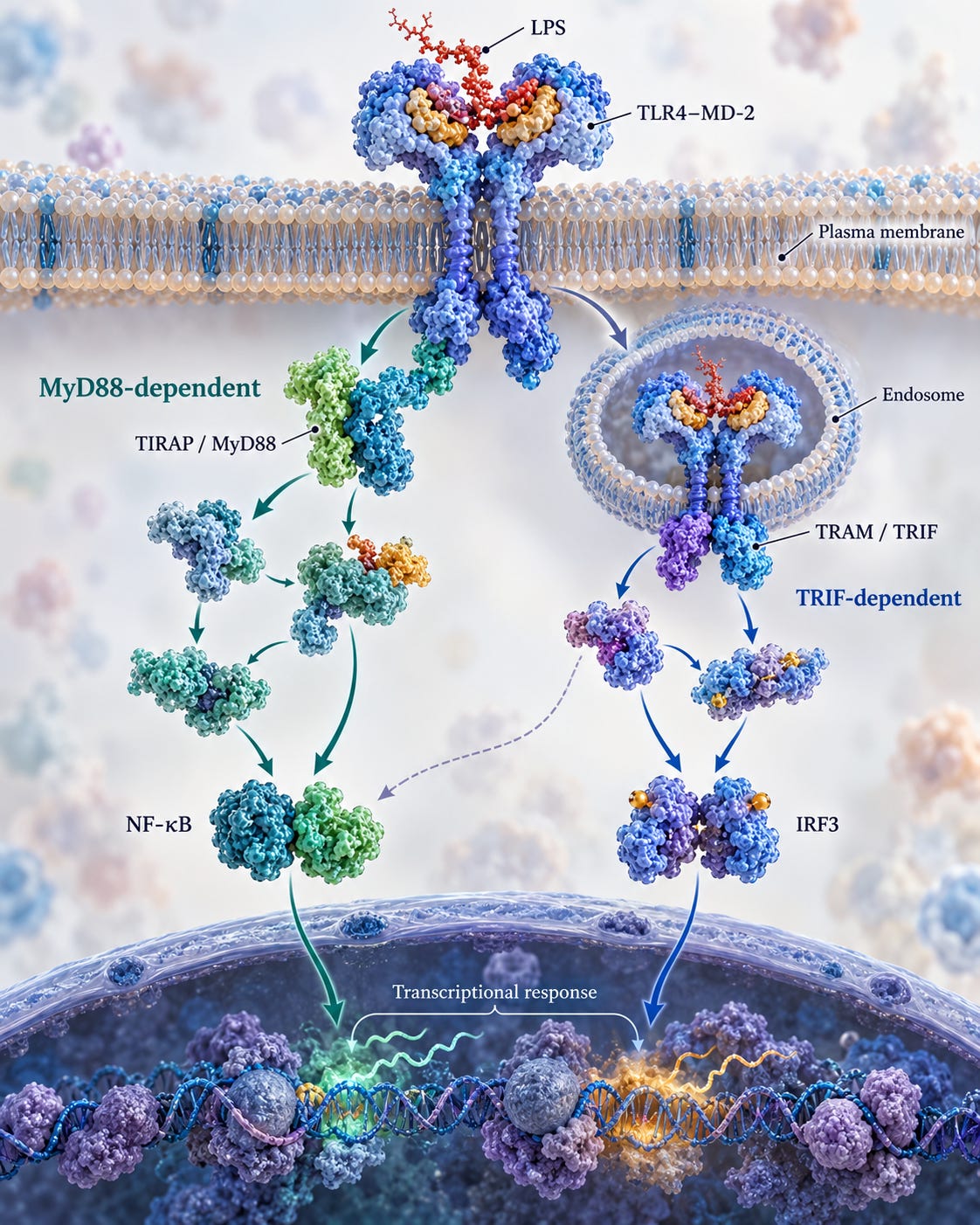
However, chronic or excessive activation of TLR4 signaling has been implicated in pathological conditions such as chronic inflammatory diseases, septic shock and even cancer. Consequently, fine-tuning TLR4 activity through targeted therapeutics is a promising approach to restore immune homeostasis without broadly suppressing immune function.
Challenges in Targeting Membrane-Embedded Receptors
The transmembrane localization of TLR4 presents unique challenges for drug discovery. Conventional small molecules often struggle with specificity and affinity due to the complex membrane environment and the receptor’s conformational dynamics. Monoclonal antibodies, while specific, typically target extracellular domains and may not fully modulate receptor activity within the membrane context.
Membrane proteins like TLR4 require nuanced approaches that consider the physicochemical properties of lipid bilayers, receptor dimerization and interaction with co-receptors such as MD-2 and CD14. Precision targeting within this milieu demands sophisticated molecular designs capable of stable membrane integration and receptor binding without eliciting off-target effects.
Synthetic Proteins: Design and Mechanism of Action
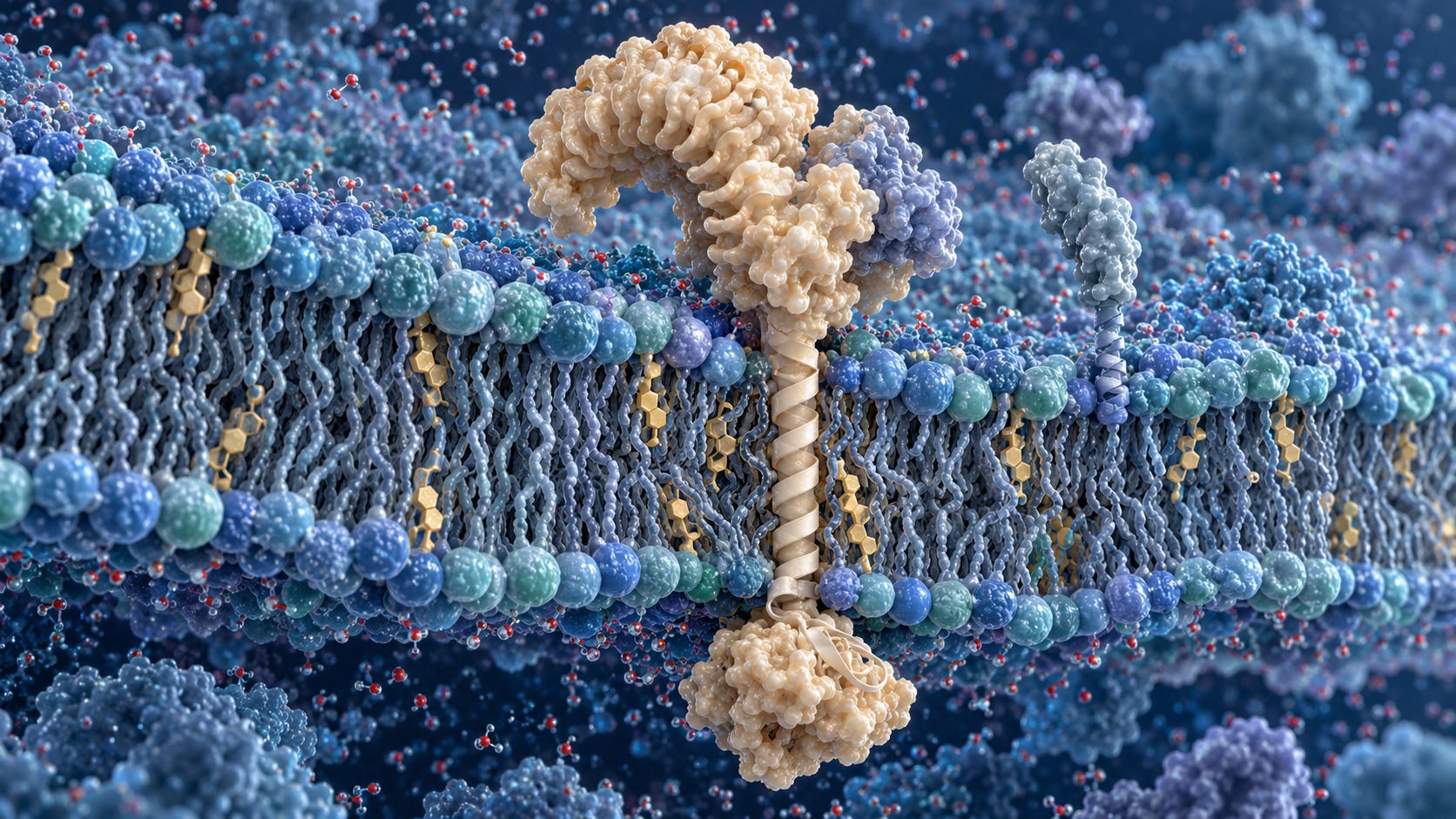
Synthetic proteins engineered to target TLR4 leverage advances in computational protein design and AI-driven molecular modeling. These proteins can be customized to interact with specific domains of TLR4 embedded in membranes, disrupting critical protein-protein interactions necessary for receptor activation.
Key design considerations include:
- Membrane Compatibility: Incorporation of hydrophobic and amphipathic motifs ensures stable insertion or peripheral association with the lipid bilayer.
- Target Specificity: Computational docking and molecular dynamics simulations refine binding interfaces to maximize affinity for TLR4 while minimizing interactions with off-target proteins.
- Functional Modulation: Designed proteins can act as competitive antagonists, sterically hindering ligand binding or receptor dimerization or induce conformational states that preclude signal transduction.
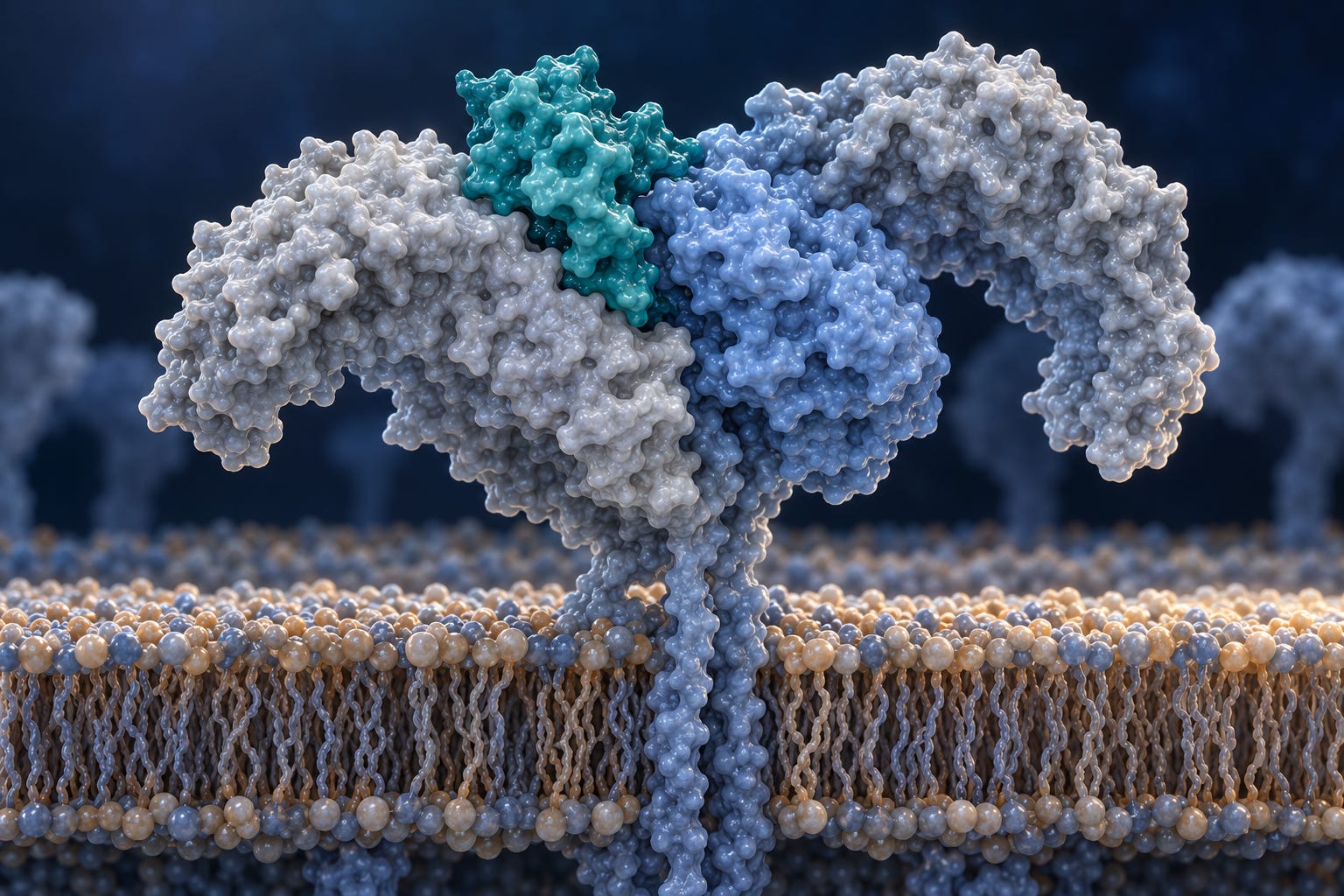
By modulating TLR4 activity directly within its native membrane context, synthetic proteins can provide a more precise and biologically relevant therapeutic intervention compared to extracellular or systemic agents.
The Role of AI and Computational Methods in Protein Engineering
Advancements in AI-driven protein design platforms enable rapid generation and screening of synthetic proteins with desired biophysical and functional properties. Medvolt applies AI-assisted workflows integrating multi-omics datasets, fragment-based design and free energy perturbation (FEP) simulations to predict and optimize protein-receptor interactions.
The iterative cycles of design-build-test-learn accelerated by machine learning algorithms allow for:
- Rapid identification of promising protein scaffolds targeting TLR4.
- Simulation of membrane insertion dynamics and stability under physiological conditions.
- Prediction of receptor binding affinities and potential immunogenicity.
- Optimization of protein sequences to enhance solubility and manufacturability.

This computational approach reduces the experimental burden, hastening the therapeutic discovery timeline while increasing the likelihood of clinical success.
Potential Therapeutic Applications and Future Directions
Synthetic protein modulators of TLR4 hold promise for treating acute and chronic inflammatory diseases without compromising host defense. Potential applications include:
- Sepsis Management: Timely dampening of hyperactive TLR4 signaling could mitigate cytokine storms and improve patient outcomes.
- Autoimmune Disorders: Selective inhibition of aberrant TLR4 activation may alleviate tissue damage in diseases such as rheumatoid arthritis and systemic lupus erythematosus.
- Neuroinflammation: Targeting TLR4 in microglia may reduce neuroinflammatory processes implicated in Alzheimer’s disease and other neurodegenerative conditions.
Beyond TLR4, the principles underlying synthetic protein design for membrane receptors can be generalized to other challenging targets involved in signaling, transport and cellular communication.
Medvolt’s Contribution to AI-powered Protein Therapeutics
Medvolt exemplifies the integration of AI-driven computational chemistry, multi-omics knowledge curation and enzyme engineering to accelerate the discovery of novel biologics. Their platform leverages state-of-the-art molecular modeling techniques combined with deep learning to navigate the complex structural landscape of membrane proteins like TLR4. This enables the rational design of synthetic proteins with improved efficacy and target precision.
Furthermore, Medvolt’s capability to simulate membrane environments and receptor dynamics in silico provides critical insights that inform experimental validation and optimization, thus bridging computational predictions with practical therapeutic development.
Conclusion
The engineering of synthetic proteins targeting TLR4 within membranes represents a sophisticated strategy to modulate inflammatory responses selectively. This approach addresses longstanding challenges associated with membrane protein druggability by harnessing AI-powered design tools and molecular simulations. As inflammation remains a central component of numerous diseases, innovative therapeutics derived from such technologies could significantly impact future clinical interventions.
Medvolt’s expertise in computational drug discovery underscores the potential of AI-assisted protein engineering to transform the landscape of inflammation management and beyond, offering a pathway towards precision medicine grounded in molecular detail and systemic understanding.

