


Tempus and Daiichi Sankyo Collaborate on AI-Guided Biomarker Discovery to Enhance Cancer Therapy
Explore how Tempus and Daiichi Sankyo are using multimodal AI to accelerate cancer biomarker discovery, optimize ADC clinical trials, and advance precision oncology.
The convergence of artificial intelligence and oncology is reshaping how biomarker discovery and patient stratification are tackled in cancer drug development. A notable recent collaboration illustrating this synergy is the partnership between Tempus, a leader in AI-powered precision medicine and Daiichi Sankyo, a multinational pharmaceutical company with extensive expertise in oncology therapeutics. Their joint initiative focuses on applying advanced AI methodologies to accelerate biomarker identification and improve clinical trial designs for antibody-drug conjugates (ADCs), addressing pivotal challenges in cancer treatment research.
The Promise and Challenge of Antibody-Drug Conjugates in Oncology
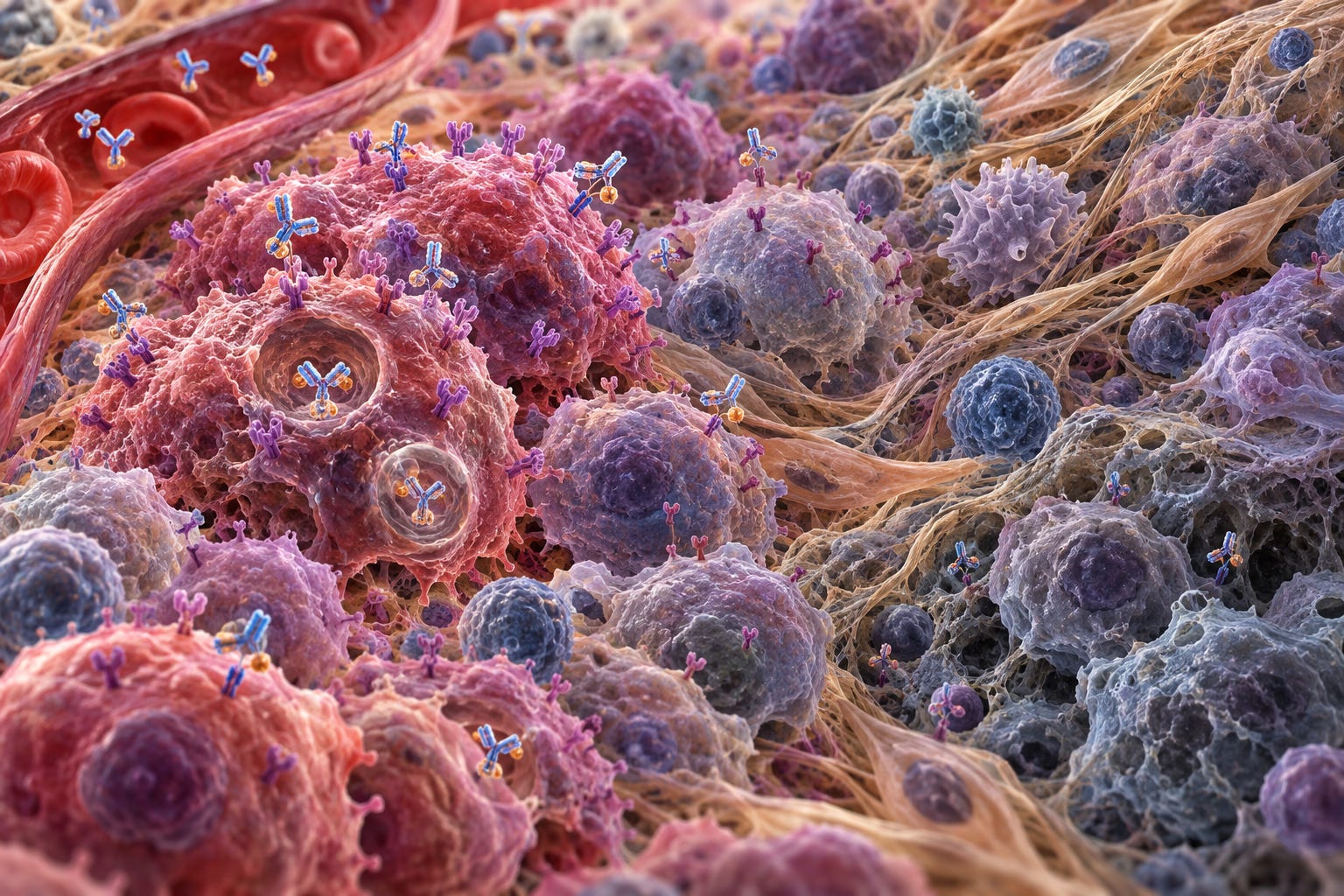
Antibody-drug conjugates represent a class of targeted cancer therapies designed to deliver cytotoxic agents directly to tumor cells, exploiting tumor-specific antigens for selective action. ADCs such as Daiichi Sankyo’s trastuzumab deruxtecan (T-DXd) have demonstrated significant clinical efficacy in HER2-expressing cancers. However, the complexity of ADC mechanisms, variability in patient responses and potential toxicity profiles necessitate precise biomarker-driven patient selection to optimize therapeutic benefits and minimize risks.
Traditional biomarker discovery approaches often rely on singular data streams—such as genomic sequencing or immunohistochemical assays—without fully integrating the multi-layered biological context. This siloed data perspective limits the granularity and predictive power needed to stratify patients effectively in heterogeneous tumor types.
Leveraging Multimodal AI for Enhanced Biomarker Discovery
Tempus and Daiichi Sankyo’s collaboration centers on leveraging multimodal artificial intelligence models that integrate diverse data types including histopathology images, molecular profiles and clinical records. Tempus’ proprietary platform, PRISM2, exemplifies this approach by fusing high-dimensional data streams into unified predictive models. Originally developed through the acquisition of Paige AI, a pioneer in computational pathology, PRISM2 facilitates nuanced interpretations of tumor morphology alongside genomic and treatment outcome data.
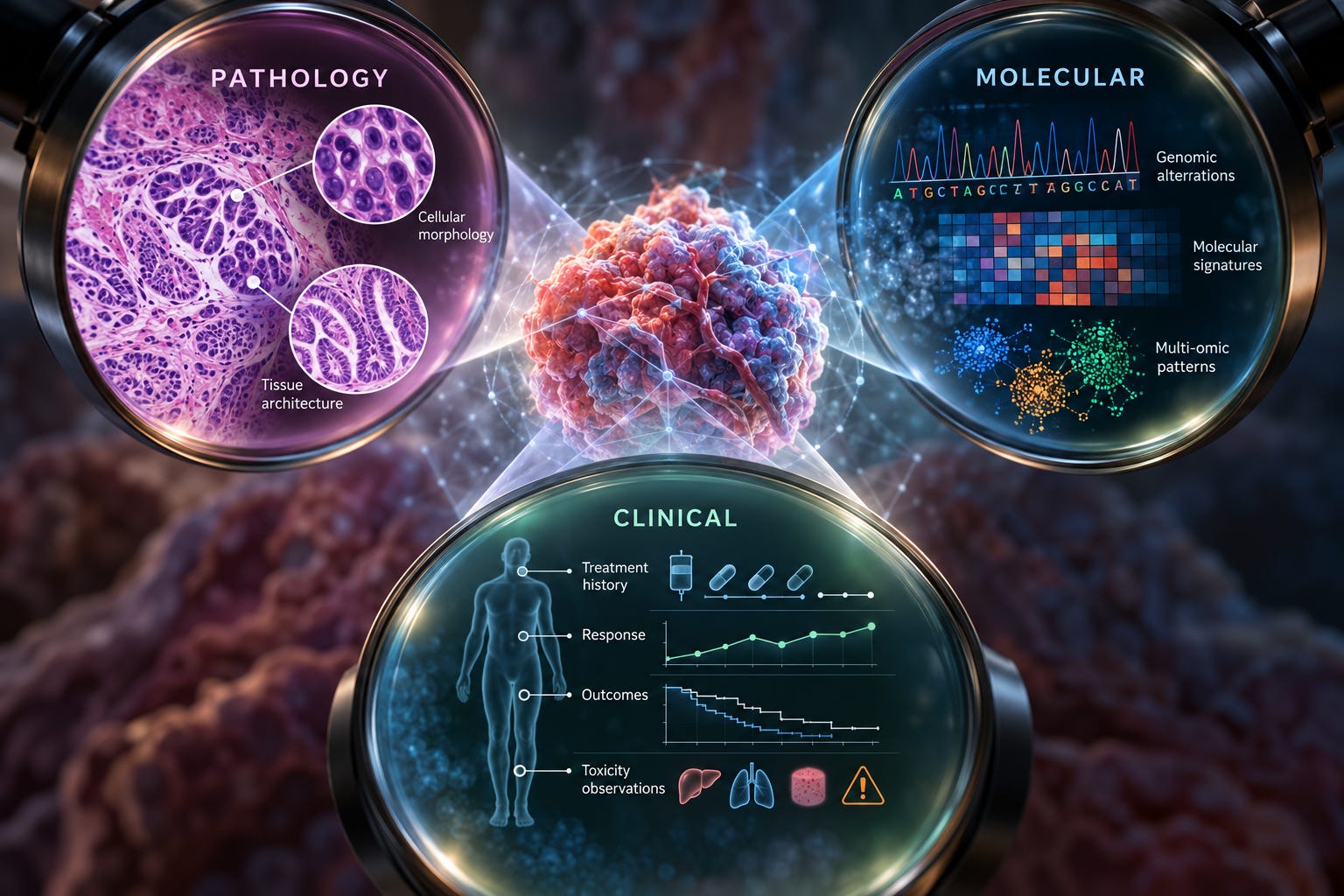
Multimodal learning enables the detection of subtle biomarkers linked to disease progression and therapeutic response that might elude traditional single-omics analyses. By training on extensive datasets encompassing linked pathology images and molecular characteristics from Daiichi Sankyo’s ADC trials combined with Tempus’ expansive oncology database, the partnership aims to delineate novel predictive signatures associated with treatment efficacy and toxicity.
This fusion of real-world clinical datasets and sophisticated AI-driven analytics represents a significant step beyond conventional trial design constraints. It facilitates robust patient subgroup delineation, allowing for more targeted inclusion criteria and improved benchmarking of control arms. Such advancements contribute to reducing trial attrition rates and enhancing the statistical power of clinical studies.
Implications for Clinical Trial Innovation and Precision Medicine
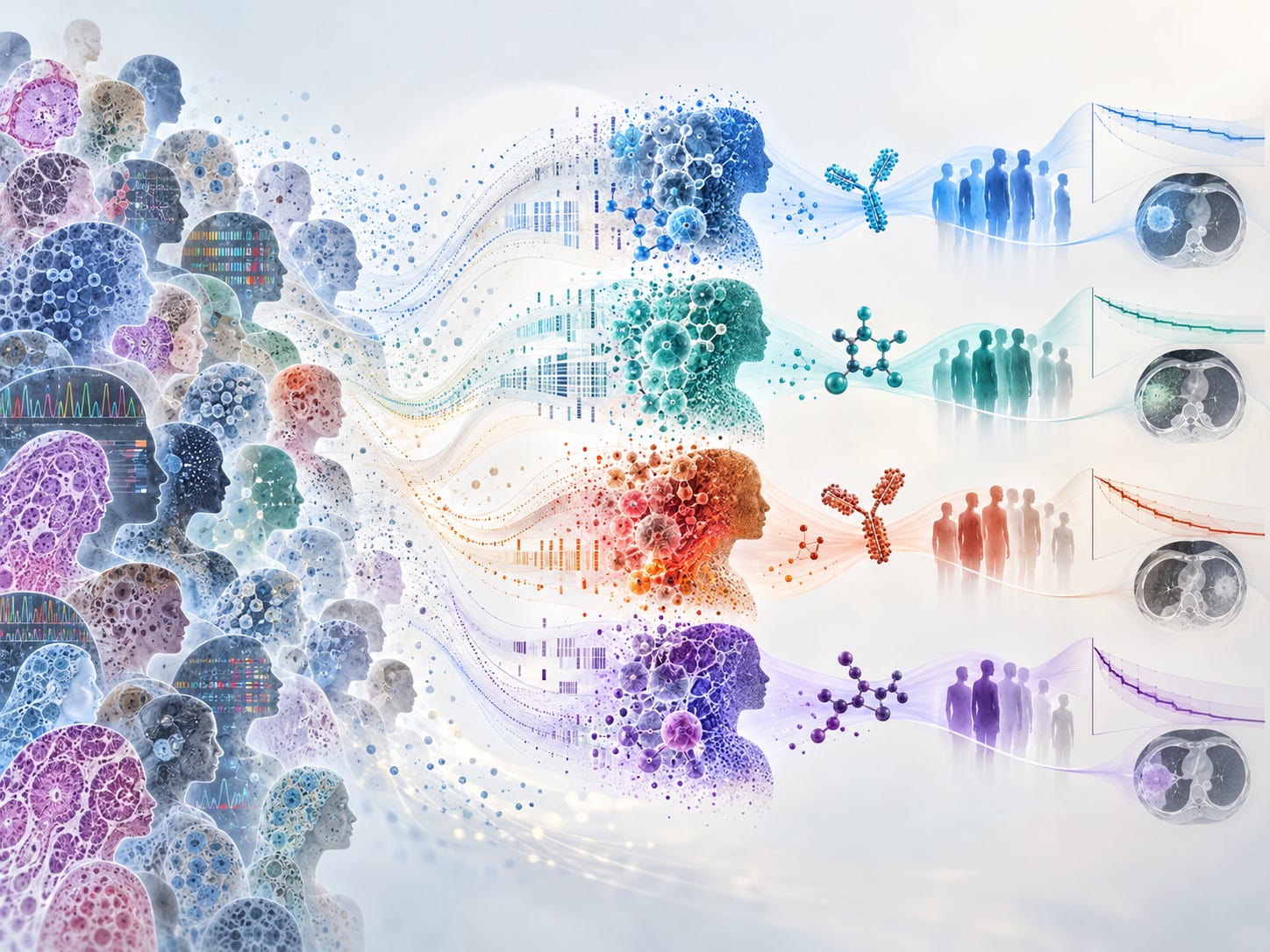
Clinical trials for ADCs are particularly complex due to heterogeneous patient populations and variable treatment responses. Incorporating AI-guided biomarker discovery into trial workflows streamlines patient stratification, fosters adaptive trial designs and supports regulatory decision-making processes. The Tempus-Daiichi collaboration exemplifies this paradigm by developing proof-of-concept AI models that simulate response patterns across diverse cohorts, thus refining treatment matching.
Moreover, these AI models can assist in identifying predictive biomarkers that not only signal therapeutic benefit but also flag potential adverse effects, addressing one of the key ADC development challenges. Generating response maps from multimodal data empowers oncologists and researchers with actionable insights, bridging clinical phenotype, tumor biology and therapeutic context.
Medvolt’s Perspective: AI-Driven Integration for Next-Generation Drug Discovery
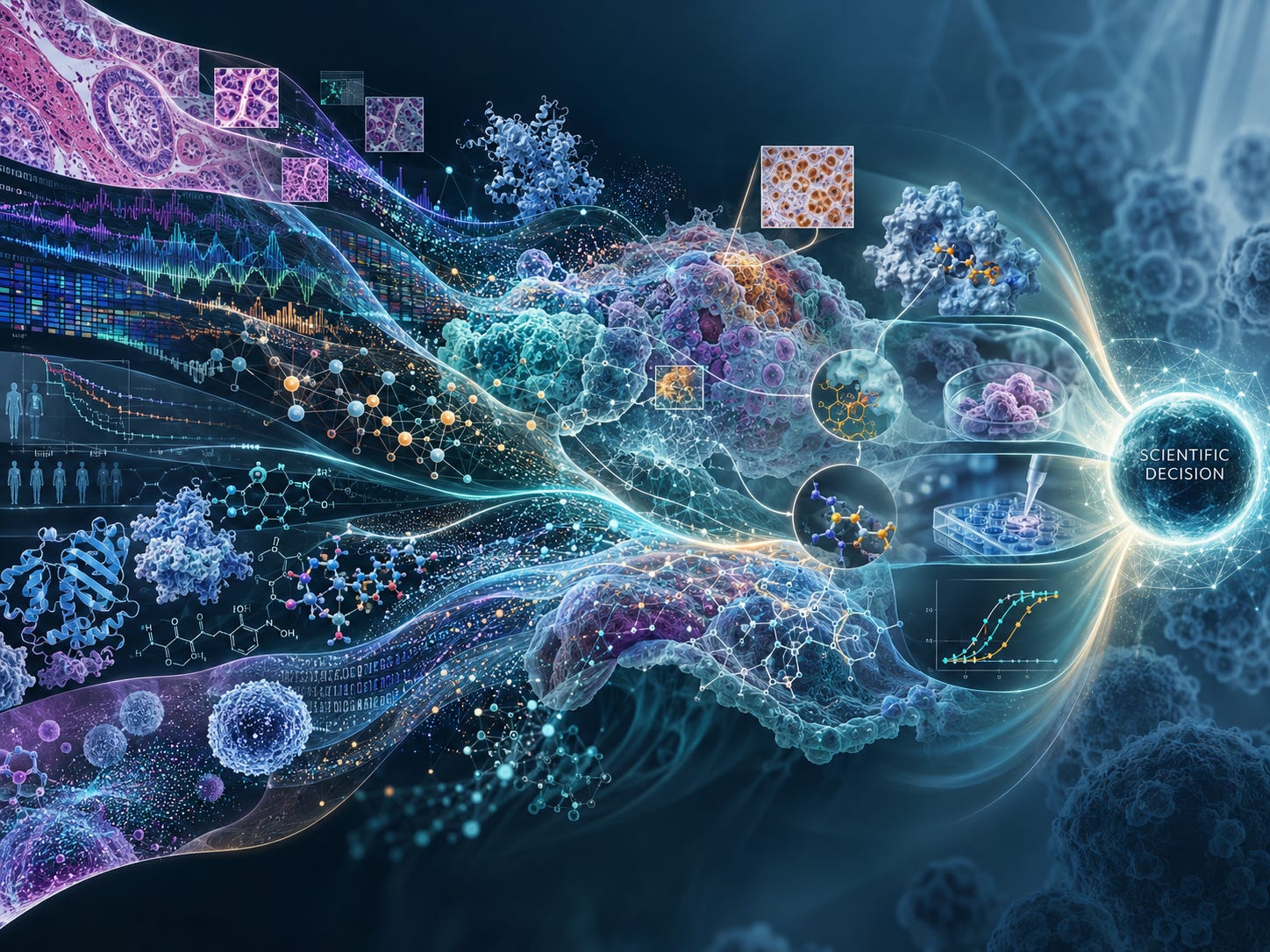
Medvolt recognizes such collaborative efforts as emblematic of the evolving landscape where AI-driven technologies are integral to drug discovery and development. By seamlessly integrating multi-omics, digital pathology and real-world clinical data, companies can transcend traditional R&D boundaries. Medvolt’s expertise in AI-augmented molecular modeling and knowledge curation aligns with this trajectory, emphasizing precision, reproducibility and scalability in biomarker and candidate molecule identification.
The Tempus-Daiichi partnership highlights critical principles relevant to Medvolt’s AI platforms: the importance of multimodal data harmonization, interpretability of AI models in clinical contexts and iterative validation through clinical datasets. These elements are vital to accelerating the discovery cycle while maintaining scientific rigor and regulatory compliance.
Conclusion
The alliance between Tempus and Daiichi Sankyo underscores the growing role of AI in oncology biomarker discovery and clinical trial optimization. By integrating multimodal data and advanced AI analytics, this collaboration aims to refine patient selection for ADC therapies, ultimately improving outcomes and decreasing clinical development risks.
AI-driven approaches like those employed here not only enhance our understanding of cancer biology but also pave the way for more efficient, personalized treatment strategies. Medvolt continues to champion such innovations, harnessing computational intelligence to empower drug development pipelines and foster precision medicine advancements globally.

