Medvolt at India AI Impact Summit 2026 | Panel Discussion and Startup Expo
Drug Discovery
Rare diseases are reshaping drug discovery by combining precise biology, AI-driven insights, and faster clinical development into a new innovation model.
Water molecules shape binding affinity, stability, and molecular recognition, making solvent dynamics essential to modern drug discovery.
Discover why combining AI with Free Energy Perturbation delivers more reliable drug discovery by validating predictions through thermodynamic reality.
A European initiative is advancing molecular dynamics through HPC, AI, open data, and collaboration to make simulations mainstream in drug discovery.
Binding predictions often fail due to oversimplified models that ignore dynamics, solvent effects, and thermodynamics, creating a gap between computation and reality.
Molecular binding is not static but a dynamic, multi-step process shaped by motion, solvent, and thermodynamics, critical for real-world drug discovery.
Docking and molecular dynamics serve different roles in drug discovery, combining speed, scale, and realism for better binding predictions.
Drug discovery is moving beyond library screening toward intelligent molecule design powered by generative AI, structural biology, and physics-based validation.
Scaffold hopping and bioisosteric design expand chemical space beyond traditional SAR, enabling novel, first-in-class drug discovery.
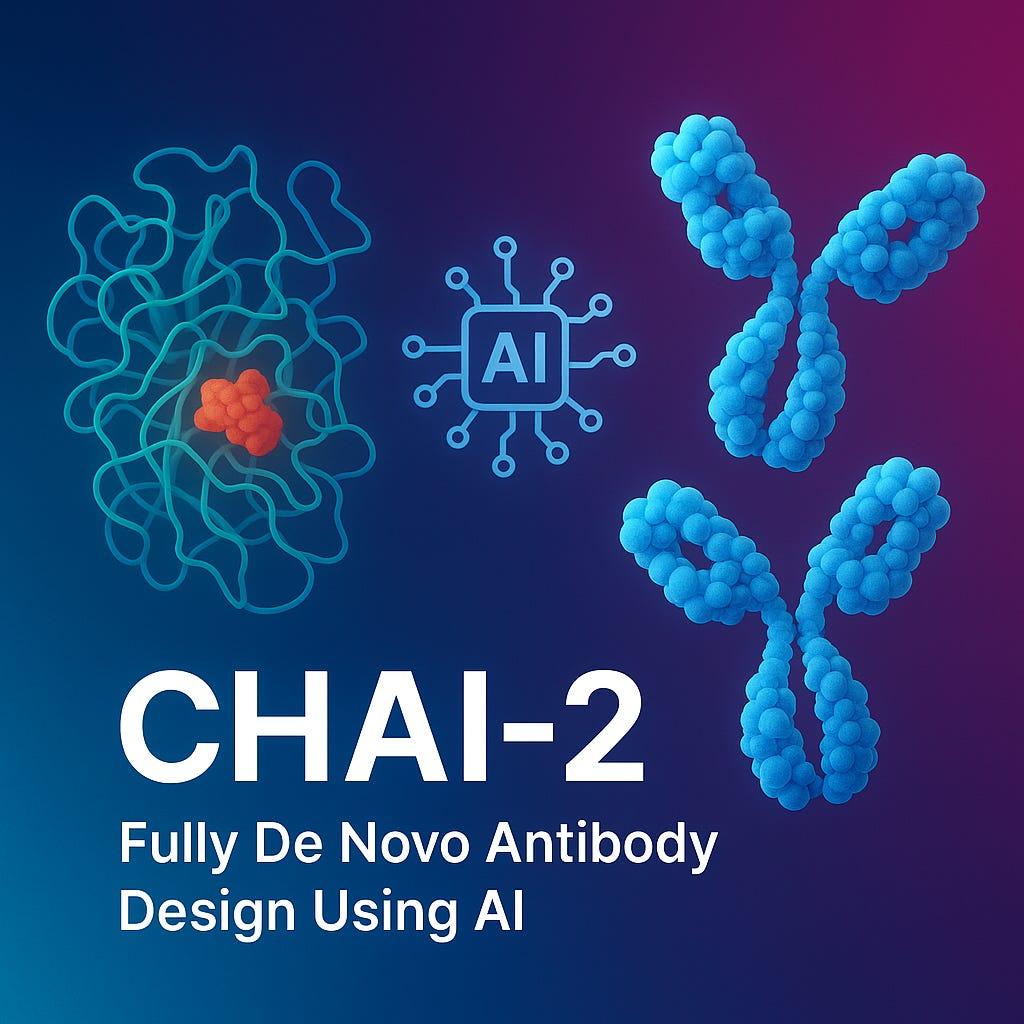
Chai-2 is the first AI model capable of generating fully functional antibodies in a zero-shot setting, achieving up to 20% hit rates and revolutionizing biologics discovery.
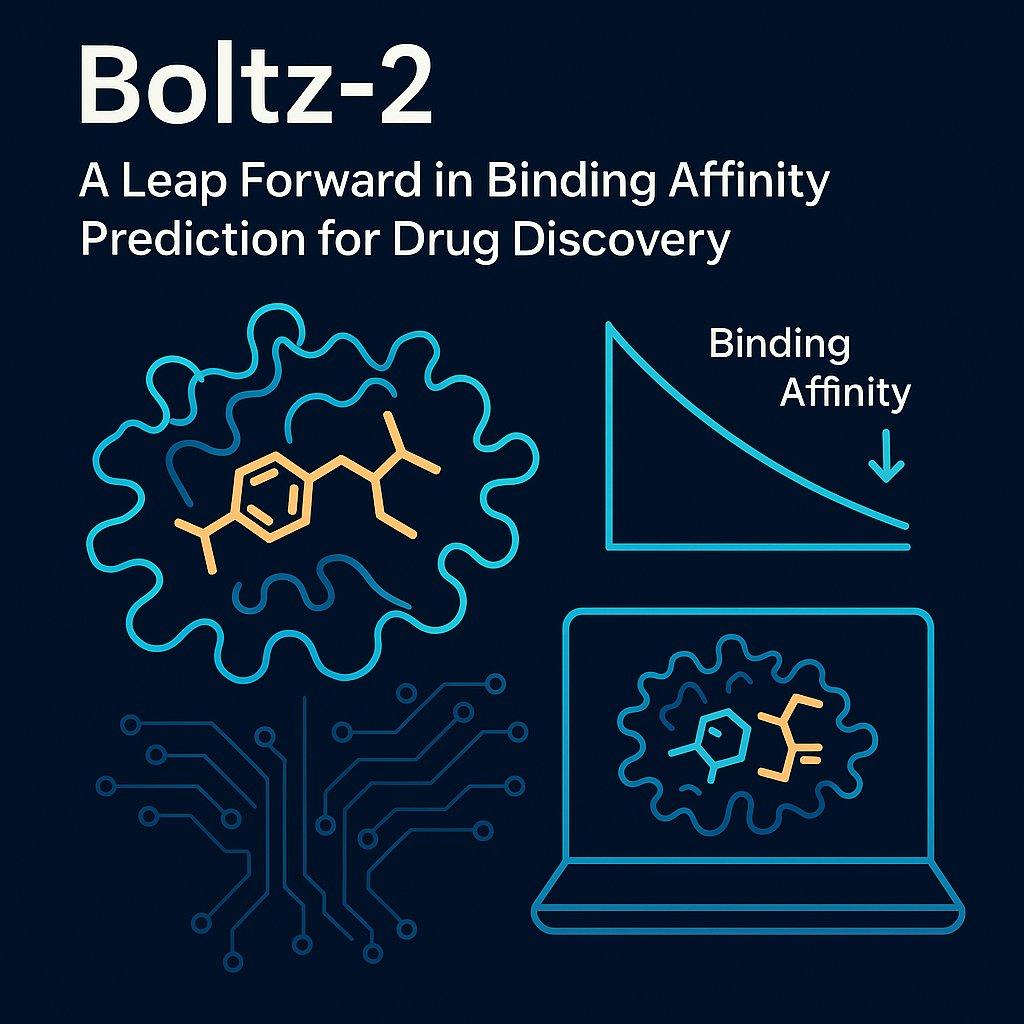
Boltz-2, an open-source AI model from MIT and Recursion, unifies structural and energetic prediction, delivering near-FEP accuracy in seconds and redefining molecular screening workflows.
How Medvolt’s Oopal FEP brings scalable, physics-driven precision to drug discovery through AI integration, cloud-native architecture, and high-throughput free energy simulations.
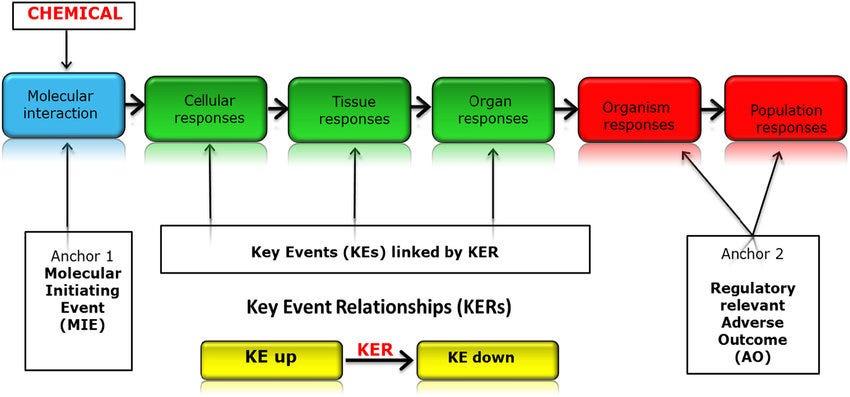
Quantitative Structure-Activity Relationship (QSAR) models were developed to predict the activity of chemical compounds toward specific protein targets associated with MIEs in five AOP networks.
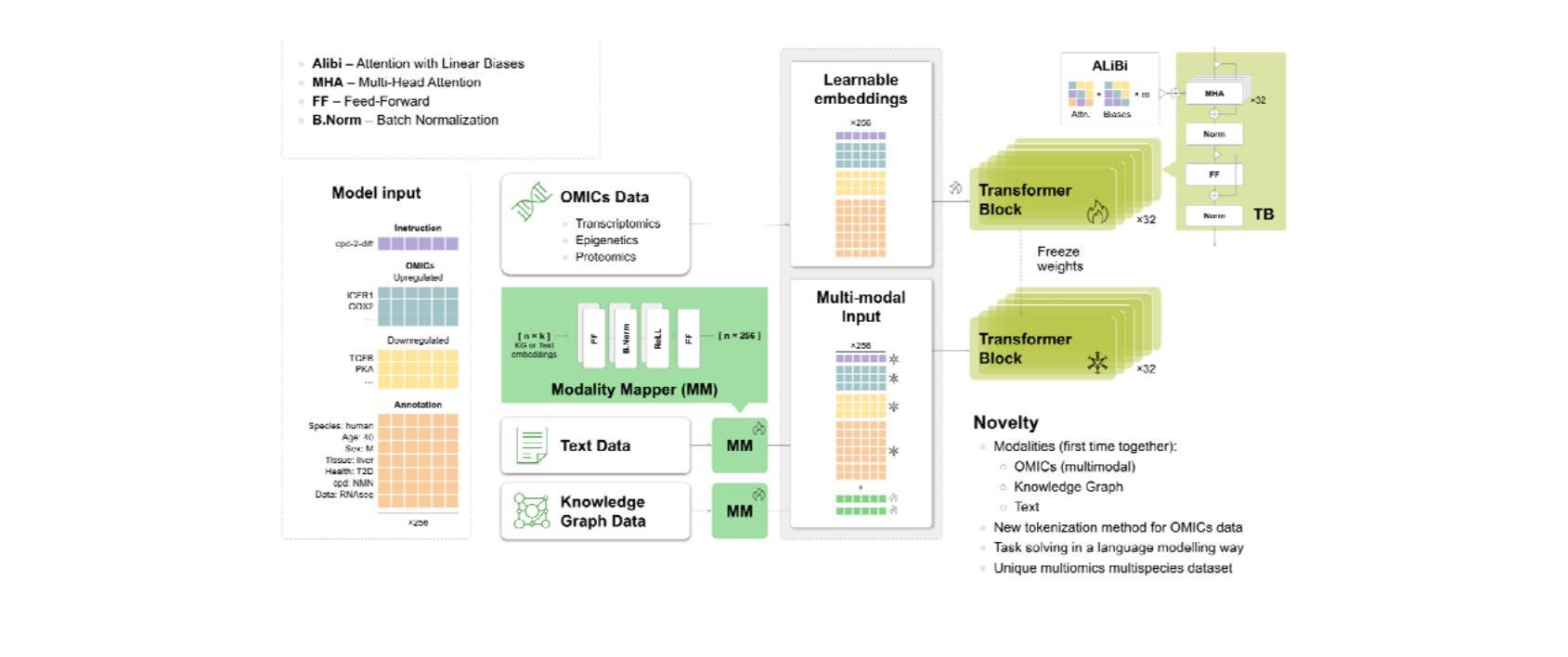
Discover Precious3-GPT, a multimodal transformer for aging research and drug discovery, enhancing predictions across species and tissues.